Introduction
The daily commute is a ritual that shapes the rhythm of the modern working day. Whether you navigate bustling underground stations, cycle through city rain, or walk briskly down corporate corridors, the vessel carrying your professional essentials matters immensely. Choosing between a traditional leather briefcase and a modern backpack commuting guide solution is more than a simple style preference—it is a decision that impacts your daily comfort, posture, and professional presentation. As contemporary work environments evolve, professionals often find themselves weighing timeless elegance against ergonomic utility. Understanding the nuances of each option ensures your daily carry aligns seamlessly with your lifestyle, wardrobe, and professional aspirations.
Investing in your everyday carry often parallels other wardrobe choices. Just as selecting a well-crafted piece influences your long-term style, opting for a durable companion requires looking closely at materials, hardware, and construction. For those curating a functional wardrobe, exploring the tenets of timeless capsule wardrobes offers valuable insight into how individual pieces work together to form a cohesive, professional image. In this comprehensive guide, we will break down the structural, aesthetic, and functional differences between the classic briefcase and the versatile backpack, helping you make an informed decision for your daily journey.

The Anatomy of the Professional Briefcase
The leather briefcase has stood as a symbol of professional authority and refined taste for generations. Crafted typically from robust full-grain leather, a quality briefcase is designed to develop a distinct patina over years of service. Its rigid structure protects sensitive documents, 15-inch laptops, and vital tech accessories from crushing forces in crowded transit environments. Traditional briefcases feature structured compartments, brass or stainless steel locks, and a reinforced top handle meant for hand or shoulder carriage.
One of the primary advantages of a briefcase is its undeniable aesthetic authority. In formal corporate settings, boardrooms, and client-facing meetings, carrying a sleek leather case projects preparedness, executive presence, and a respect for tradition. However, this formal structure comes with inherent trade-offs. Carrying weight exclusively on one shoulder or in one hand can lead to muscle fatigue over long distances, making the briefcase better suited for door-to-door transit rather than multi-mile walking or cycling commutes.
“A well-crafted leather briefcase is not merely an accessory; it is an architectural archive for your professional life, built to age gracefully alongside your career.
The Rise of the Professional Leather Backpack
Once relegated strictly to academic settings or outdoor excursions, the backpack has undergone a profound transformation. Today's professional leather backpack merges ergonomic design with sophisticated materials, making it a legitimate contender for the modern office. By distributing weight evenly across both shoulders, a backpack significantly reduces physical strain, making it the undisputed champion for active commuters, cyclists, and those who walk extensive distances to work.
Modern backpacks designed for the workplace often feature dedicated internal sleeves for laptops up to 16 inches, secure zippered pockets for valuables, and breathable padded back panels. When crafted from supple, high-grade leather rather than synthetic nylon, these bags bridge the gap between casual utility and elevated style. They allow professionals to maintain a polished exterior while enjoying superior load management and unhindered movement.

Direct Comparison: Briefcase vs. Backpack
To determine which carry style fits your routine, it helps to weigh their performance across key metrics including ergonomics, security, versatility, and formal appeal. The following comparison highlights how each option handles the demands of daily transit.
- Leather Briefcase
- Single-shoulder or hand carry; can cause uneven strain over long walks.
- Leather Backpack
- Dual-shoulder straps; evenly distributes weight for optimal spinal alignment.
- Leather Briefcase
- Unmatched executive presence; ideal for corporate boardrooms and legal settings.
- Leather Backpack
- Modern and professional, though traditionally viewed as slightly more casual.
- Leather Briefcase
- Top-flap or zippered opening allows instant, visible access to documents.
- Leather Backpack
- Main compartment zips open; requires swinging the bag off one shoulder to access items.
- Leather Briefcase
- Rigid framing protects delicate paperwork and maintains a sharp silhouette.
- Leather Backpack
- Flexible structure adapts to varying load sizes, offering a softer profile.
Choosing Based on Your Commute Type
Your physical journey to the office should heavily influence your carry selection. If your commute involves driving, taking a taxi, or a short walk from a train station into a corporate office, the briefcase offers unmatched convenience and style. You can easily transition from vehicle to meeting room without disrupting your tailored outerwear or creasing your suit jacket.
Conversely, if your journey requires navigating busy underground transit networks, climbing stairwells, or cycling, the backpack becomes an indispensable tool. It keeps your hands completely free and prevents the bag from swinging into fellow commuters in cramped spaces. For those interested in the broader ecosystem of artisan accessories that complement these items, exploring resources on sustainable leather craftsmanship provides deeper context on how durable goods are made to withstand the rigors of daily use.

The Briefcase Advantage
- Immediate access to paperwork without fully opening the main compartment
- Classic executive silhouette that complements tailored suits
- Rigid frame protects fragile documents and slim electronics
The Backpack Advantage
- Superior ergonomic weight distribution across both shoulders
- Hands-free mobility ideal for cycling and public transit
- Generous capacity for gym gear, tech chargers, and lunch boxes
Material Quality and Longevity
Regardless of whether you select a briefcase or a backpack, the integrity of the piece depends entirely on construction quality. Premium leather goods rely on vegetable-tanning methods, heavy-duty nylon stitching, and robust hardware to endure daily friction. Selecting items made from superior hides ensures your investment withstands the elements and regular handling.
Understanding the intrinsic value of well-made goods helps demystify the purchasing process. When evaluating artisan creations, keeping up with guides such as evaluating leather quality and craftsmanship ensures you recognize the markers of superior durability, from edge-painting precision to zipper grade.
Frequently Asked Questions
- Can a leather backpack be worn with a formal suit? While traditionalists preferred briefcases for suits, modern slim leather backpacks in minimalist black or dark brown leather pair exceptionally well with contemporary tailored suits, provided the backpack maintains a sleek, unstructured profile.
- Are leather briefcases too heavy for daily walking? Traditional framed briefcases can feel heavy if packed excessively. To minimize strain, opt for a slim gusset design and utilize a padded shoulder strap when walking longer distances.
- How do I protect my leather commute bag from rain? While fine leather handles occasional moisture, treating your bag with a quality leather balm and avoiding prolonged exposure to heavy downpours will preserve its finish for decades.
Conclusion
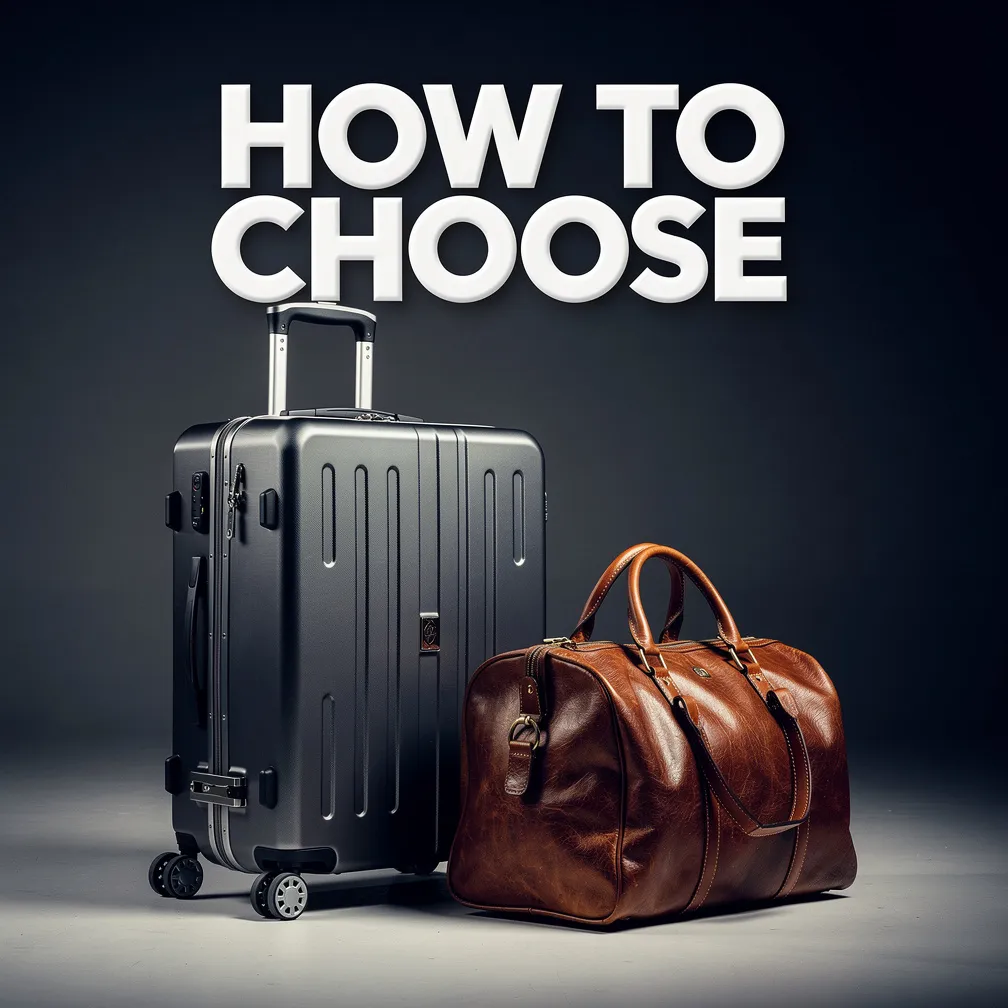
The debate between a leather briefcase and a backpack ultimately boils down to the intersection of your professional environment, physical routine, and personal aesthetic. The briefcase remains the gold standard for executive elegance and structured document organization, while the backpack offers unmatched ergonomic comfort and hands-free mobility for the active professional. By evaluating your daily transit needs and prioritizing enduring material quality, you can select a companion that serves your career faithfully for years to come.
 UK
UK
William Thomas Ashworth
Master Leather CraftsmanWilliam Thomas Ashworth (48) is a veteran British leather specialist based in East Yorkshire, UK. With over two decades of experience in traditional leathercrafting and material selection, he oversees Leonadem’s heritage design and technical quality standards.