Introduction: Navigating the Nuances of Cross-Border Commerce
Stepping off a plane into a foreign market is an exhilarating experience for any modern professional. However, the true test of a global executive lies not just in closing the deal, but in mastering the subtle art of cultural adaptation. When you travel for commerce, your personal conduct serves as the ambassadorial bridge for your entire enterprise. A comprehensive business etiquette international travel guidelines guide helps you navigate these complex social terrains without committing accidental faux pas that could jeopardize long-term partnerships.
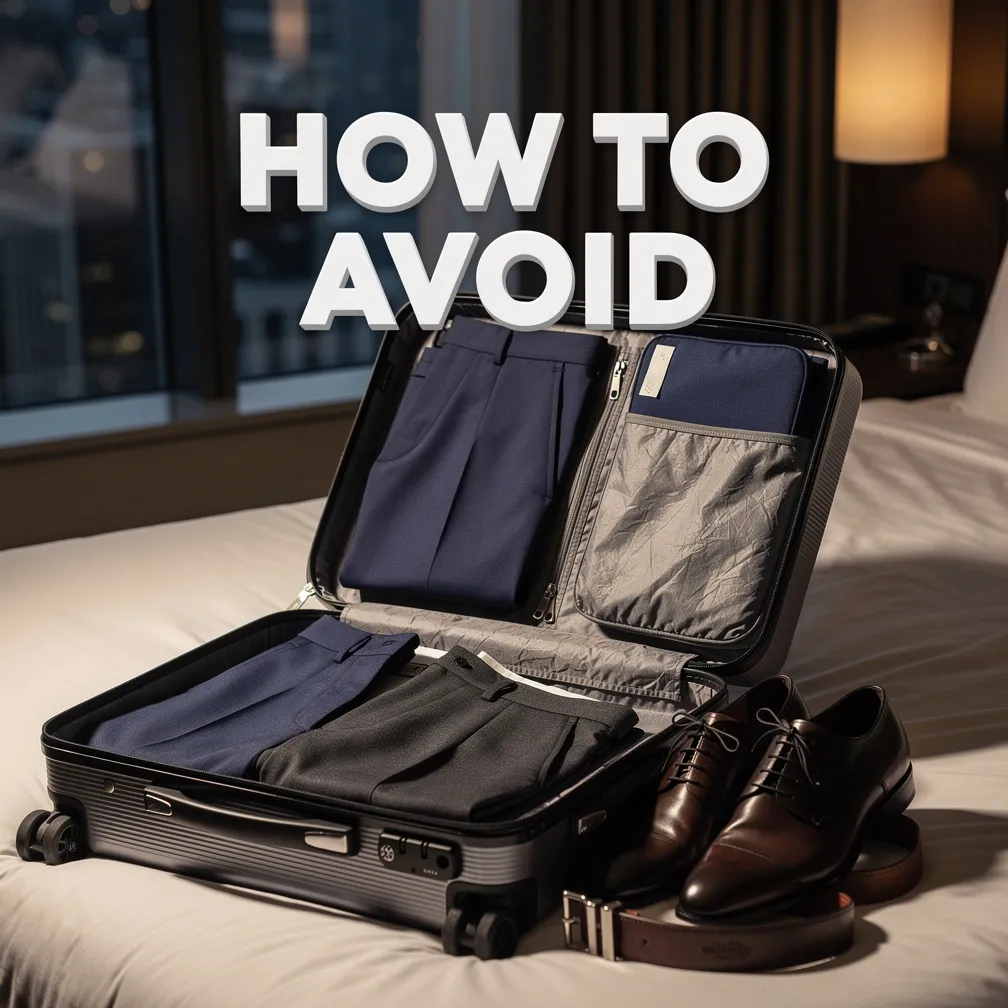
In an increasingly interconnected corporate world, technical proficiency is merely the baseline. Cultural intelligence dictates whether a handshake opens a door or closes it permanently. Whether you are stepping into a sleek Tokyo boardroom or sharing a formal dinner in Milan, understanding local protocols ensures mutual respect and paves the way for sustainable success. As you prepare your itinerary and organize your travel essentials—perhaps packing a classic refined capsule wardrobe for effortless versatility—keeping cultural nuances at the forefront of your mind remains paramount.

Core Concepts: The Pillars of Global Professional Conduct
Every international business journey requires a foundational understanding of core social frameworks. While globalization has homogenized certain aspects of corporate life, deep-rooted cultural values continue to dictate daily interactions. Developing a cross-cultural competency allows you to read between the lines, recognizing when formal deference is required versus when a relaxed, conversational approach is welcomed by your hosts.
Punctuality, dress codes, and communication styles vary drastically across continents. For instance, arriving precisely on time is viewed as an absolute non-negotiable in Germanic Europe, whereas a more flexible window of arrival is socially acceptable in other regions. Furthermore, the way you present yourself visually—from tailored suiting to the understated quality of your everyday carry items—communicates your level of respect for the occasion. Many professionals find that embracing principles of sustainable quality and intentional craftsmanship naturally aligns with respecting traditional cultures that value durability and heritage.

Navigating Greetings, Introductions, and Business Cards
The initial interaction sets the tone for your entire business trip. Understanding how to exchange greetings and business cards can make or break a first impression. In many East Asian cultures, the business card is treated as an extension of the person holding it, requiring both hands for presentation and careful reading before placement.
- Always research the preferred greeting style—ranging from formal bows to firm handshakes—before entering any foreign office.
- Keep your business cards in pristine condition using a dedicated card case to demonstrate organization and attention to detail.
- Address senior executives by their formal titles until invited on a first-name basis, respecting established hierarchy.
- Maintain appropriate eye contact; excessive staring may be perceived as aggressive in some cultures, while avoiding it entirely can signal dishonesty in others.
When exchanging credentials, treating the document with care speaks volumes about your professional discipline. Just as you would invest in a durable accessory designed to last, keeping your networking materials immaculate reflects positively on your brand's standards.

Dining Diplomacy and Corporate Entertainment
Much of international commerce happens away from the negotiating table, often across dinner tables or during formal banquets. Dining etiquette is fraught with unwritten rules that vary immensely across borders. What is considered polite table manners in North America might be viewed as offensive in the Middle East or parts of Asia.
Gift-giving is another critical component of corporate entertainment. While standard practice in some countries, it can border on bribery or cause significant embarrassment in others if the gift is too extravagant or presented incorrectly. Always research local customs regarding presentation and appropriateness before offering tokens of appreciation.
Frequently Asked Questions
As you prepare for your next cross-border venture, reviewing common queries regarding international travel etiquette can clarify unexpected scenarios.
- How early should I research local cultural customs? Begin your research at least two to three weeks before departure to allow time for deeper cultural immersion and preparation.
- What is the best way to handle language barriers? While English serves as a global lingua franca, learning basic phrases in the local language demonstrates genuine effort and respect.
- Should I bring corporate gifts for every meeting? Not necessarily. Gifts are typically reserved for long-term partners, hosts who have welcomed you to their home, or significant contract-signing ceremonies.
- How do dress codes fluctuate internationally? When uncertain, always err on the side of formal conservatism. It is easier to dress down by removing a jacket than to scramble for formal attire.
Conclusion: Cultivating Lasting Global Relationships
Ultimately, successful international travel relies on empathy, curiosity, and adaptability. By adhering to a thoughtful business etiquette international travel guidelines guide, you protect your professional reputation and foster genuine human connections across borders. At Leonadem, we believe that true elegance lies in mindfulness—whether in the careful curation of your personal travel accessories or the gracious way you conduct yourself in a foreign boardroom. Approach every journey as an opportunity to learn, listen, and build enduring global partnerships.
 UK
UK
William Thomas Ashworth
Master Leather CraftsmanWilliam Thomas Ashworth (48) is a veteran British leather specialist based in East Yorkshire, UK. With over two decades of experience in traditional leathercrafting and material selection, he oversees Leonadem’s heritage design and technical quality standards.