Introduction
When searching for an heirloom-quality accessory, discerning buyers invariably encounter two legendary names in tanning: Italian leather and Horween leather. Both represent the pinnacle of global tannery arts, yet they originate from completely different philosophies of texture, finishing, and aging. Understanding what sets these two hides apart is essential for anyone investing in a piece designed to last for decades.
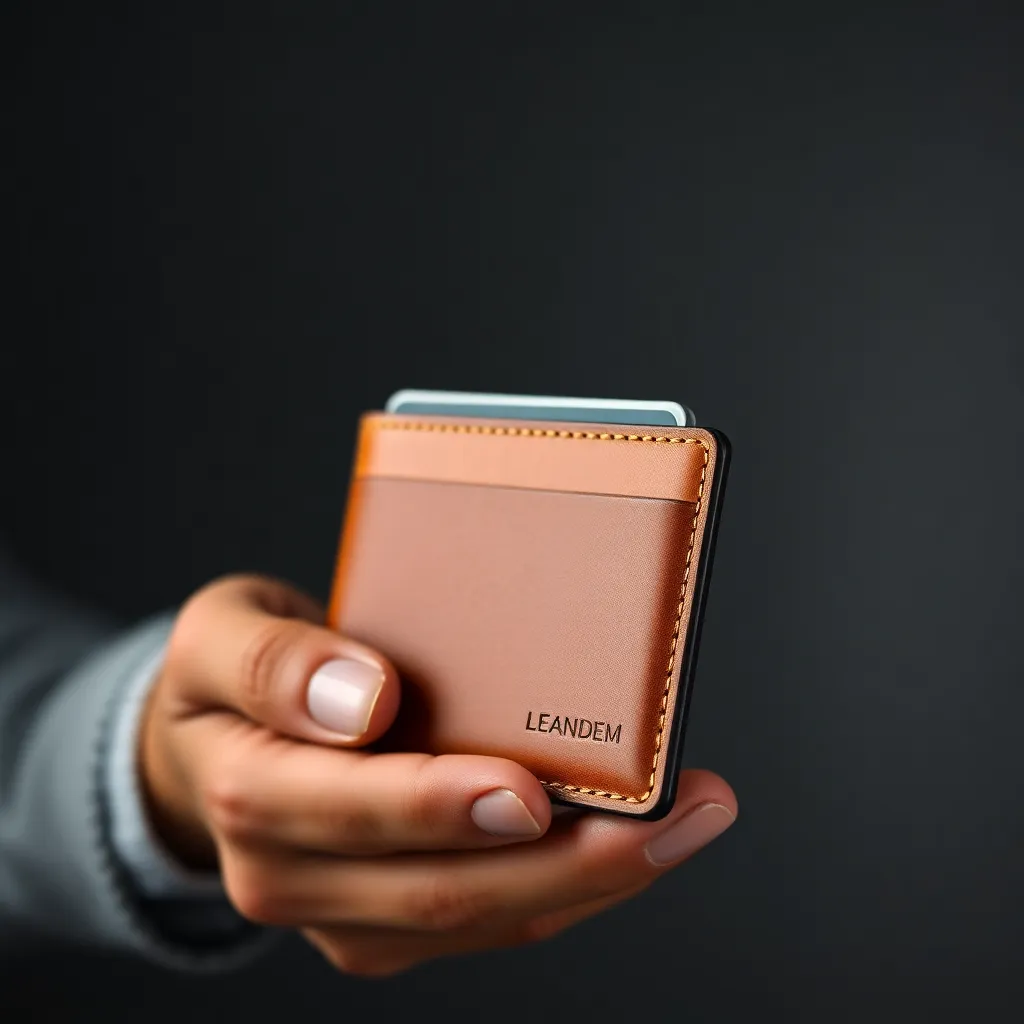
The debate of Italian vs Horween leather wallet construction is not merely about brand preference; it is a study in material science and regional heritage. From the sun-drenched artisan workshops of Tuscany to the historic vats of Chicago, each hide tells a story of dedicated craftsmanship. Whether you appreciate the silky hand-feel of vegetable-tanned Italian calfskin or the rugged, waxy resilience of Horween's Chromexcel, your choice will dictate how your accessory evolves through years of daily use.

Core Concepts: The Tanning Heritages
To truly appreciate the differences in an Italian vs Horween leather wallet, one must examine their origins. Italian tanning is heavily rooted in historical traditions, specifically governed by the Consorzio Vera Pelle Italiana Conciata al Vegetale in Tuscany. Master tanners rely on natural tannins extracted from tree barks, a slow process that can take up to 40 days. This method preserves the natural grain and allows the leather to develop a rich, personal patina that reflects its owner's lifestyle.
On the other hand, the Horween Leather Co., established in Chicago in 1905, is globally renowned for its proprietary, time-tested formulas. Best known for their Chromexcel and genuine shell cordovan, Horween employs a blend of vegetable and chrome tanning followed by a hot-stuffing process with secret greases and waxes. This results in a heavy-duty, pull-up leather that feels exceptionally substantial right out of the box.
As you build out your collection of timeless style and essential leather accessories, choosing the right leather foundation determines how your everyday carry items complement one another over time.

Direct Comparison: Italian vs Horween
When evaluating performance, aesthetics, and maintenance, both leathers excel in unique ways. The choice often depends on whether you lean toward refined European elegance or robust American heritage durability.
- Italian Vegetable-Tanned
- Tuscany, Italy
- Horween Chromexcel
- Chicago, USA
- Italian Vegetable-Tanned
- 100% Vegetable-Tanned
- Horween Chromexcel
- Combo (Vegetable + Chrome) + Hot-Stuffed
- Italian Vegetable-Tanned
- Smooth, supple, refined
- Horween Chromexcel
- Waxy, dense, substantial
- Italian Vegetable-Tanned
- Gradual darkening and glass-like shine
- Horween Chromexcel
- Pronounced pull-up effect with rich luster

Aesthetic Evolution and Maintenance
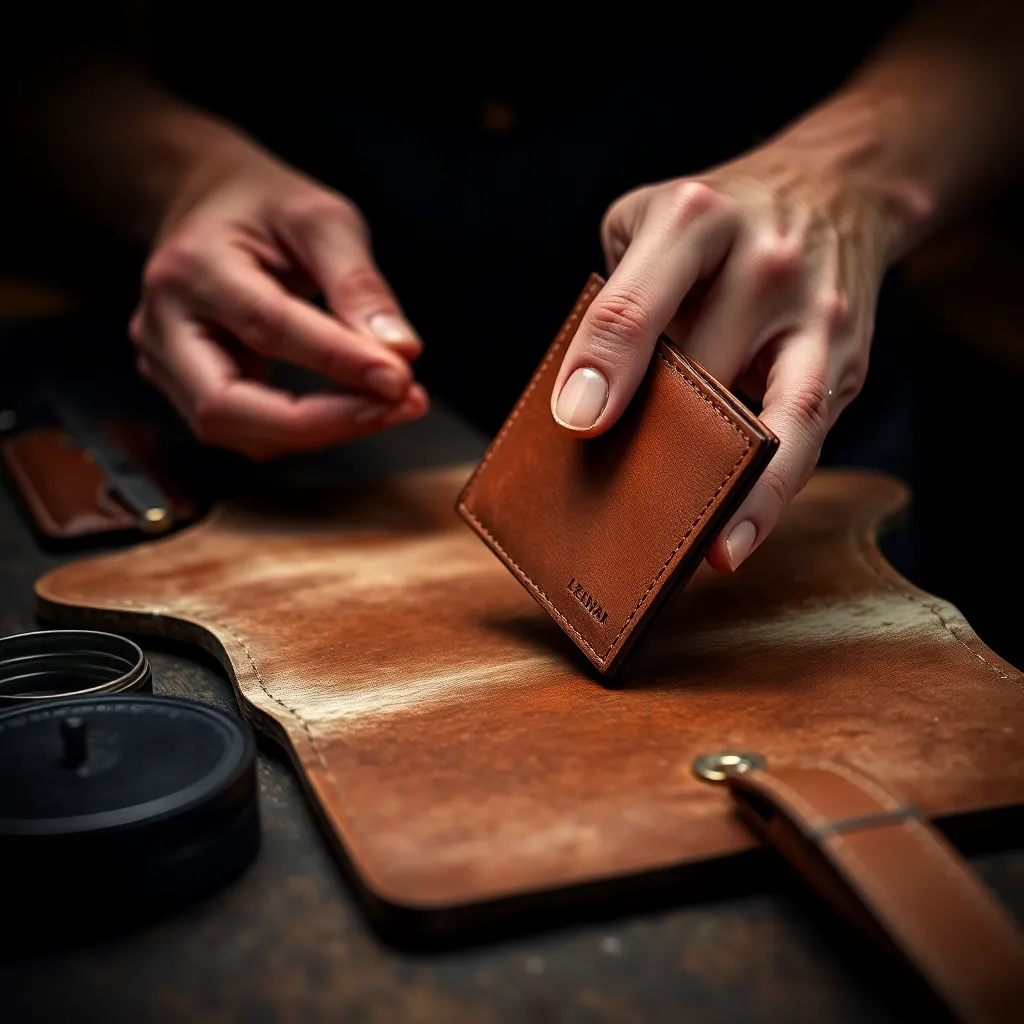
An important consideration when comparing an Italian vs Horween leather wallet is how they handle wear and tear. Italian vegetable-tanned leather is thirsty; it absorbs oils from your hands readily, darkening gracefully and developing a deep sheen. However, it requires mindful upkeep to prevent drying out in arid climates. For guidance on preserving these materials, refer to the definitive artisan guide on wallet maintenance to ensure your investment lasts for decades.
Horween's heavy wax and grease content makes it naturally more resilient against minor moisture and scuffs. When bent or stretched, the oils migrate within the hide, creating a striking pull-up effect that lightens at the crease before blending back in with a gentle rub. This makes Horween particularly appealing to enthusiasts who prefer a low-maintenance hide that handles rugged daily handling with ease.
Making Your Decision
Ultimately, the verdict in the Italian vs Horween leather wallet dilemma rests on personal style and tactile preference. If your aesthetic leans toward minimalist sophistication, sleek tailoring, and an evolving glass-like patina, traditional Tuscan vegetable-tanned leather is an unmatched companion.
Conversely, if you value rugged durability, a pronounced waxy pull-up, and heavyweight heritage character, Horween leather delivers an industrial-grade pedigree that commands attention. When crafted with precision stitching and edge-painting, either option serves as a cornerstone of sustainable craftsmanship in men's leather accessories.

Frequently Asked Questions
Here are answers to common questions regarding Italian and Horween leathers for everyday carry accessories:
- Which leather smells better? Both offer distinct aromatic profiles. Italian veg-tanned leather smells strongly of natural tree tannins and earth, while Horween leather carries a richer, sweeter scent due to its secret oils and waxes.
- Which leather scratches more easily? Horween Chromexcel has a waxy surface that can show light scuffs easily, but these can typically be rubbed away with your thumb due to the high oil content. Italian veg-tanned leather develops surface marks that slowly integrate into the patina over time.
- Are both leathers environmentally sustainable? Italian vegetable tanning utilizes natural tannins and strict wastewater management in Tuscany. Horween adheres to strict US environmental regulations while producing hides designed for generational longevity, aligning with the core ethos of slow fashion.
Conclusion
The choice between an Italian and a Horween leather wallet is a celebration of contrasting masterclasses in tanning. At Leonadem, we deeply respect both traditions, recognizing that true luxury is defined by honesty of materials and meticulous hand-finishing. Whether you select the organic warmth of Tuscan vegetable-tanned hides or the robust heritage of Chicago Chromexcel, you are investing in a living material that tells your unique story with every passing year.
 UK
UK
William Thomas Ashworth
Master Leather CraftsmanWilliam Thomas Ashworth (48) is a veteran British leather specialist based in East Yorkshire, UK. With over two decades of experience in traditional leathercrafting and material selection, he oversees Leonadem’s heritage design and technical quality standards.