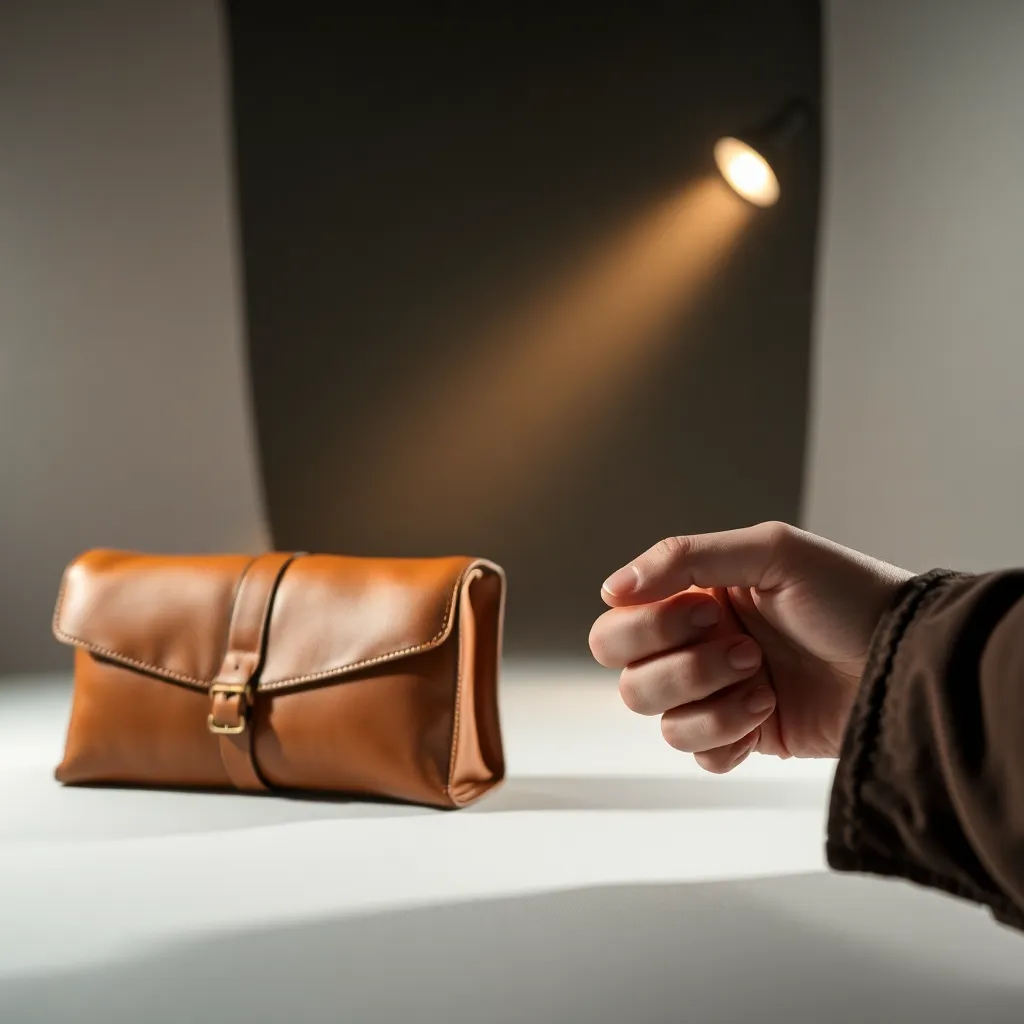
Introduction: The Art of Leathercraft
The creation of a fine leather accessory is a testament to centuries-old traditions. When exploring how leather wallets are made, one uncovers a meticulous process where raw, untamed hides are transformed into refined, functional art through patience and skill. In a world dominated by mass production, understanding this craftsmanship reveals why appreciation for sustainable artisan practices continues to grow among modern purists.
At Leonadem, we believe that true luxury lies in the unseen details. Every cut, bevel, and stitch tells a story of human touch and dedication. This comprehensive guide walks you through the traditional methods used by master artisans to craft enduring pieces that stand the test of time.

Core Concepts: Sourcing and Selecting the Right Hide
The foundation of any exceptional accessory begins with the material itself. Master craftsmen rely heavily on full-grain leather, the highest quality grade available, which retains the natural grain and fiber strength of the animal hide. Unlike corrected-grain alternatives, full-grain develops a rich, unique patina over years of daily handling, reflecting the owner's personal journey.
Tanning is the crucial chemical process that turns perishable raw hides into durable, flexible material. Vegetable tanning, an eco-friendly method utilizing natural tree barks and tannins, is favored by traditional workshops. This slow process imparts an earthy aroma and allows the leather to age gracefully, unlike harsh mineral-tanned counterparts.

Step-by-Step: The Journey from Hide to Finished Piece
Once the hide is selected, the physical construction begins. Understanding this sequence illuminates why investing in premium craftsmanship offers exceptional long-term value compared to synthetic substitutes.
The Artisan Manufacturing Process
1. Pattern Making & Clicking
Templates are meticulously placed on the hide, avoiding natural scars, and shapes are cut out by hand using a sharp skiving knife.
2. Skiving & Thinning
Edges of individual leather panels are shaved down to prevent excessive bulk when multiple layers overlap.
3. Creasing & Edge Finishing
Hot irons create decorative lines, while edges are burnished with natural gum and beeswax for a smooth, sealed finish.
4. Saddle Stitching
Pieces are locked together using a traditional two-needle method with waxed thread, ensuring structural integrity that machine stitching cannot match.

Traditional Craftsmanship vs. Modern Mass Production
To truly appreciate artisanal creations, it helps to compare the meticulous hand methods against industrial manufacturing processes.
- Artisanal Handcraft
- Manual template layout avoiding flaws
- Mass Manufacturing
- Die-pressed by automated hydraulic machines
- Artisanal Handcraft
- Hand-waxed dual-needle saddle stitch
- Mass Manufacturing
- High-speed single-thread lockstitch
- Artisanal Handcraft
- Hand-burnished with beeswax and heat
- Mass Manufacturing
- Synthetic rubber paint applied by machine
- Artisanal Handcraft
- Decades of reliable daily use
- Mass Manufacturing
- 1 to 3 years before structural failure

Maintaining Your Handmade Goods
Handmade leather pieces require minimal yet mindful maintenance to retain their structural integrity and aesthetic appeal. Regular conditioning replenishes natural oils lost over time, preventing dryness and cracking. For detailed preservation techniques, refer to our guide on maintaining your leather accessories.
““Leather is one of the few materials that does not deteriorate with age; instead, it records the life of its owner.”
Frequently Asked Questions
- How long does it take to make a handmade leather item? From initial hide inspection to final edge burnishing, a single artisan can spend anywhere from 3 to 8 hours depending on the complexity of the design.
- Why is hand-stitched leather more durable than machine-stitched? Hand stitching uses thicker, waxed threads and an independent two-needle technique that locks each stitch in place, preventing unraveling.
- What makes vegetable-tanned leather superior? It utilizes natural organic tannins instead of harsh chromium salts, resulting in a breathable material that develops an authentic, rich patina over time.
- How can I tell if a piece is genuinely handmade? Look for subtle irregularities in stitching tension, hand-burnished edges without plastic coating, and the distinct, rich aroma of natural tannins.
Conclusion
The journey of how leather wallets are made is a celebration of heritage, patience, and uncompromising standards. By prioritizing traditional techniques like vegetable tanning and hand saddle-stitching, artisans create enduring companions that honor the natural beauty of the hide. Whether you are building a curated collection of timeless essentials or simply admiring fine craftsmanship, understanding these processes deepens our connection to the everyday items we carry.
 UK
UK
William Thomas Ashworth
Master Leather CraftsmanWilliam Thomas Ashworth (48) is a veteran British leather specialist based in East Yorkshire, UK. With over two decades of experience in traditional leathercrafting and material selection, he oversees Leonadem’s heritage design and technical quality standards.