Introduction
In the demanding environments of oil and gas exploration, the petroleum engineer manages a vast array of high-stakes documentation. From complex drilling schematics and structural blueprints to confidential site surveys and financial briefs, the paperwork associated with the energy sector is both critical and vulnerable. Protecting these physical assets in remote rig locations, site trailers, and corporate boardrooms requires more than standard office stationery. It demands a robust, purpose-built housing solution crafted from resilient materials like full-grain leather.
Engineers working in the field know that a standard folder or synthetic folio often fails against the harsh realities of dust, moisture, and daily wear. Investing in a specialized leather carrier ensures your important documents remain crisp, organized, and professional. As explored in discussions on the value of slow fashion leather accessories, embracing longevity and enduring craftsmanship is essential for tools you rely on every single day. Below are the key structural and functional elements to look for when selecting a dedicated portfolio for your engineering career.
Key Features of a Professional Petroleum Engineer Leather Case
1. Heavy-Duty Structural Rigidity and Protection
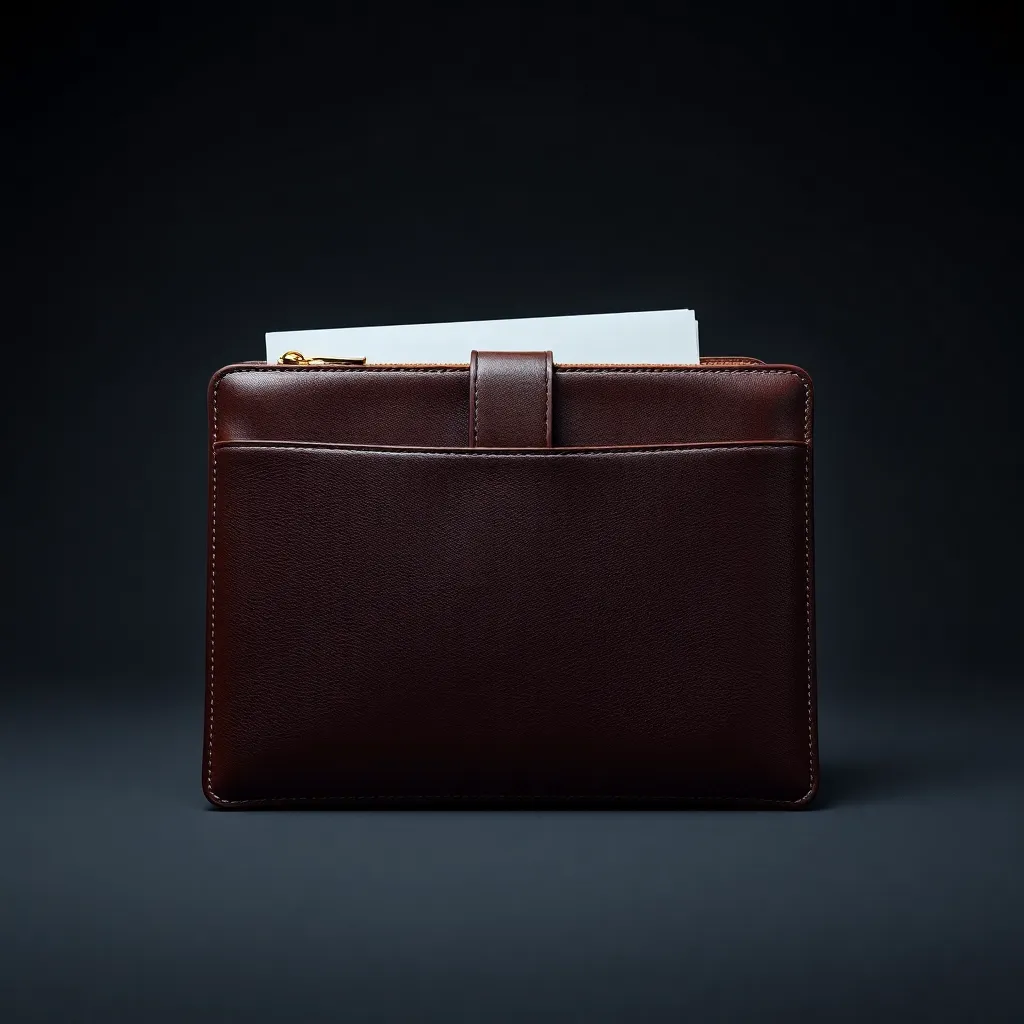
Technical plans and geological briefs cannot afford to be bent, torn, or creased during transit. A superior case relies on rigid structural panels integrated beneath a vegetable-tanned leather exterior. This provides a solid writing surface when working in remote field offices while absorbing the impacts of daily travel between headquarters and offshore or onshore installations. The sturdy frame ensures that oversized folded plans remain flat and secure against sudden jolts.
2. Optimized Compartmentalization for Large Briefs
An effective petroleum engineer leather case must accommodate more than just a single notepad. It requires dedicated slip pockets and gusseted compartments sized specifically for A3 or tabloid-sized folded schematics, log sheets, and compliance briefs. Keeping these documents sorted prevents valuable time from being wasted on active job sites. Selecting an accessory with thoughtful internal dimensions ensures seamless organization for both digital tablets and traditional paper notes.
3. Weather-Resistant Natural Patina Development
Field conditions are notoriously unpredictable, exposing gear to airborne particles, temperature fluctuations, and occasional moisture. High-grade leather acts as a natural shield, conditioning gracefully over time rather than degrading like cheap synthetics. Over years of deployment, the material develops a rich, individualized rugged patina that tells the story of your professional journey across various drilling sites and engineering projects.
4. Secure Closure Mechanisms for Confidential Data
Proprietary exploration data and proprietary operational briefs demand secure containment. Whether utilizing heavy-duty brass zippers, dual snap fasteners, or traditional wrap-around straps, the closure mechanism must guarantee that nothing falls out during rapid transit. The reinforced hardware provides peace of mind when moving through busy airports, helicopter transfers, or rugged terrain vehicles.
5. Ergonomic Portability and Professional Aesthetics
While function remains paramount in engineering, first impressions in client meetings and executive briefings still carry weight. A streamlined profile paired with a comfortable ergonomic handle or tuck-away sleeve allows the case to transition effortlessly from the muddy rig floor to the corporate boardroom. For those interested in curating a cohesive professional lifestyle, pairing this with other artisanal items is discussed further in guides on building a timeless professional wardrobe.
Conclusion
For the modern petroleum engineer, carrying crucial technical plans and briefs requires an accessory built to withstand rigorous demands without sacrificing style. By prioritizing robust construction, thoughtful internal architecture, and exceptional materials, your document carrier becomes an indispensable extension of your professional toolkit. Leonadem honors this commitment to utility and heritage through uncompromising artisan standards, ensuring your essential documents travel securely through every stage of your career.
 UK
UK
William Thomas Ashworth
Master Leather CraftsmanWilliam Thomas Ashworth (48) is a veteran British leather specialist based in East Yorkshire, UK. With over two decades of experience in traditional leathercrafting and material selection, he oversees Leonadem’s heritage design and technical quality standards.