Introduction: Merging Clinical Precision with Refined Workspace Design
For a specialist managing intricate procedures, the transition from the high-focus environment of the operating room to the administrative office requires a deliberate reset. The modern professional workspace of a specialized medical practitioner demands a balance of absolute organization and uncompromising elegance. When curating a workspace, the central anchor is often an oral surgeon desk landing pad—a dedicated zone designed to catch daily essentials while protecting fine wooden furniture.
Beyond simple utility, integrating handmade leather goods into a clinical or private office reflects a profound appreciation for enduring craftsmanship. Just as a surgeon relies on meticulous technique and premium instrumentation, the workspace benefits from deliberate choices in materiality, texture, and utility. Exploring how to select and arrange these pieces brings a sense of calm authority to the daily routine, echoing the timeless principles found in quality artisan craftsmanship.

1. The Executive Leather Desk Landing Pad
At the heart of any well-curated surface lies the primary leather mat. Crafted from vegetable-tanned full-grain leather, an oral surgeon desk landing pad serves as both a visual frame and a functional writing surface. It cushions the hands during long hours of reviewing patient charts or signing documents, offering a smooth tactile experience that contrasts sharply with clinical plastics and cold glass.

2. Precision Valet Trays for Valuables and Instruments
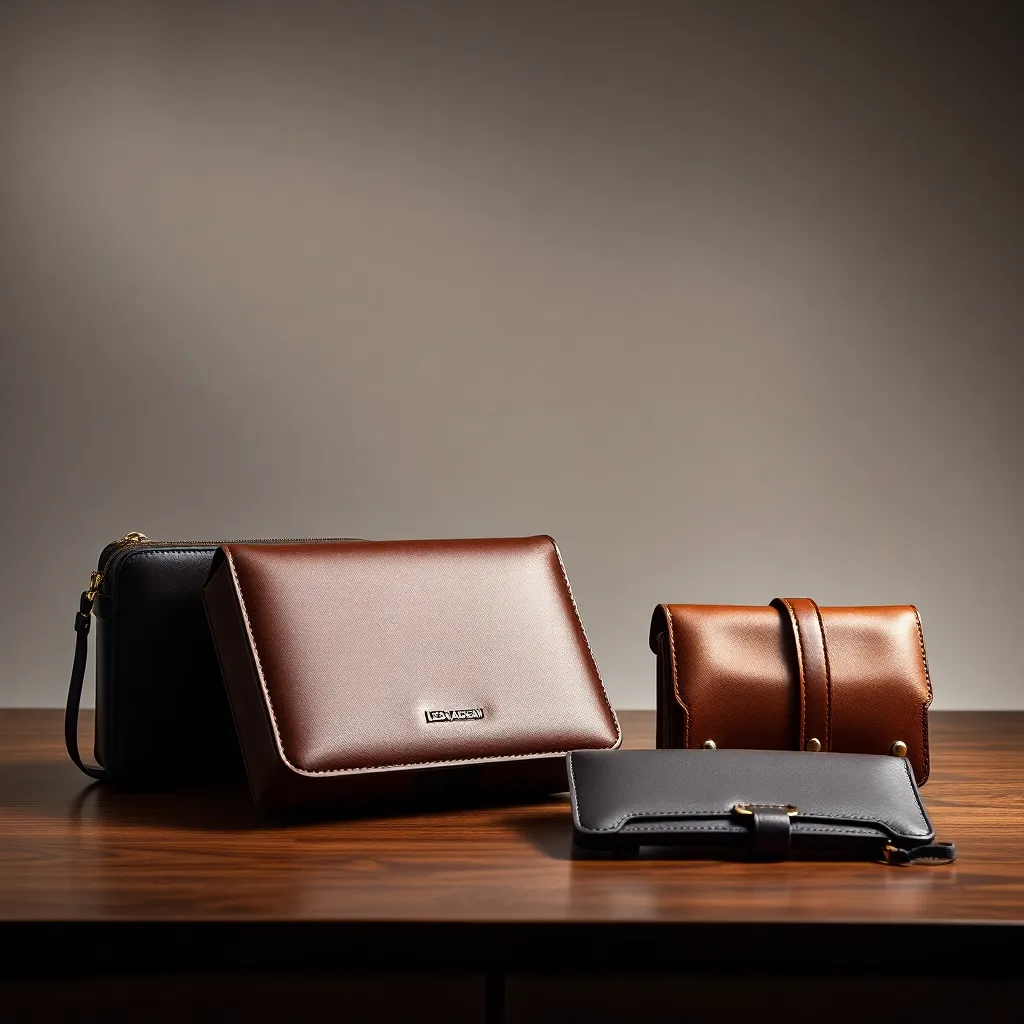
When transitioning into clinical attire, specialists need a secure, designated spot to place high-value personal effects such as timepieces, wedding bands, and specialized surgical loupes. A matching leather valet tray positioned beside the landing pad prevents clutter and safeguards delicate items against scratches. The rich aroma of natural oils and polished edges elevates the aesthetic of any consultation desk.

3. Structured Leather Pen Cases for Consultation Notes
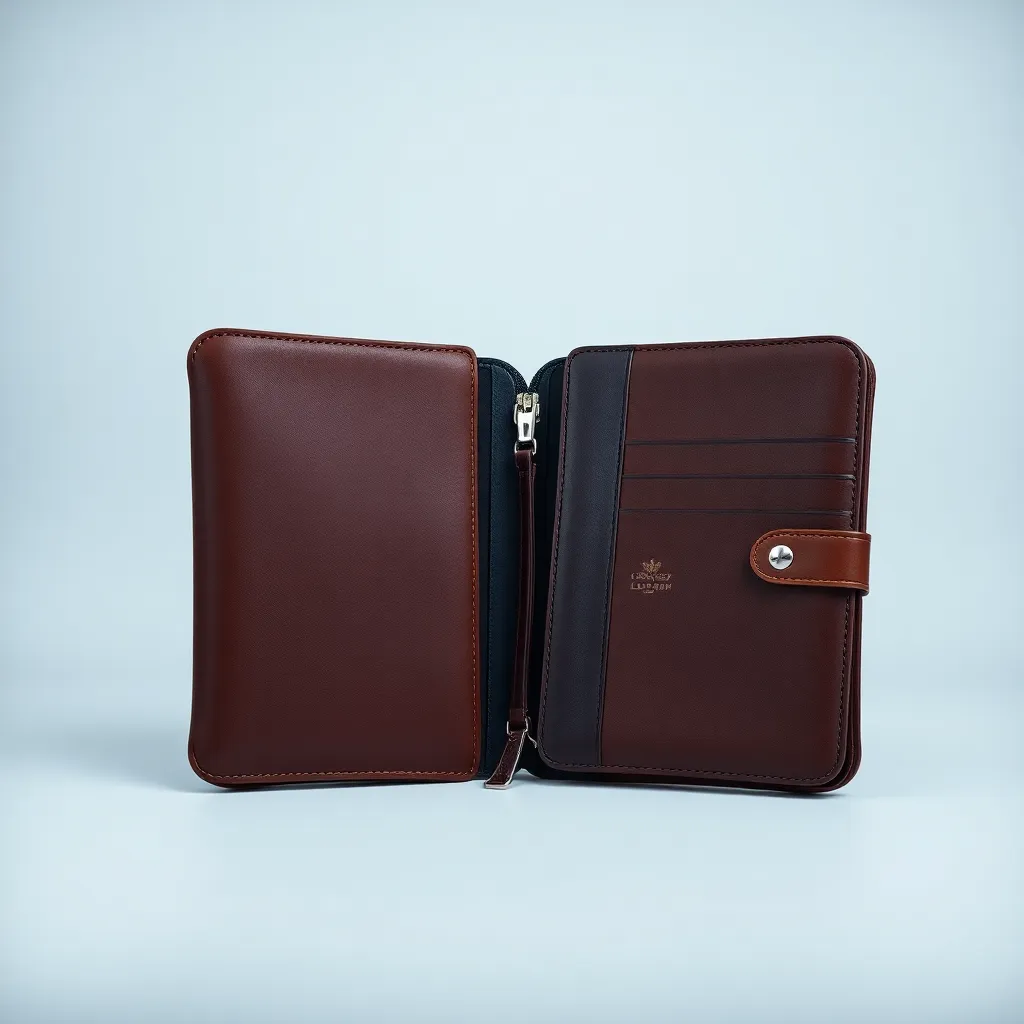
Despite the digital shift in medicine, the act of handwriting treatment plans or signing surgical consents remains a ritualized gesture. A structured leather pen case holding balanced, heavy-gauge writing utensils ensures your tools are always protected. Choosing durable accessories aligns with the long-term perspective explored in discussions on investing in durable everyday items.

4. Complementary Leather Mouse Pads and Tech Mats
Consistency is key in interior spatial design. Pairing your main desk mat with a uniform leather mouse pad creates a cohesive visual plane. The low-friction surface ensures precision navigation during digital treatment planning, while the natural hide develops a unique, personal patina over years of dedicated professional use.

5. Minimalist Cable Management Straps
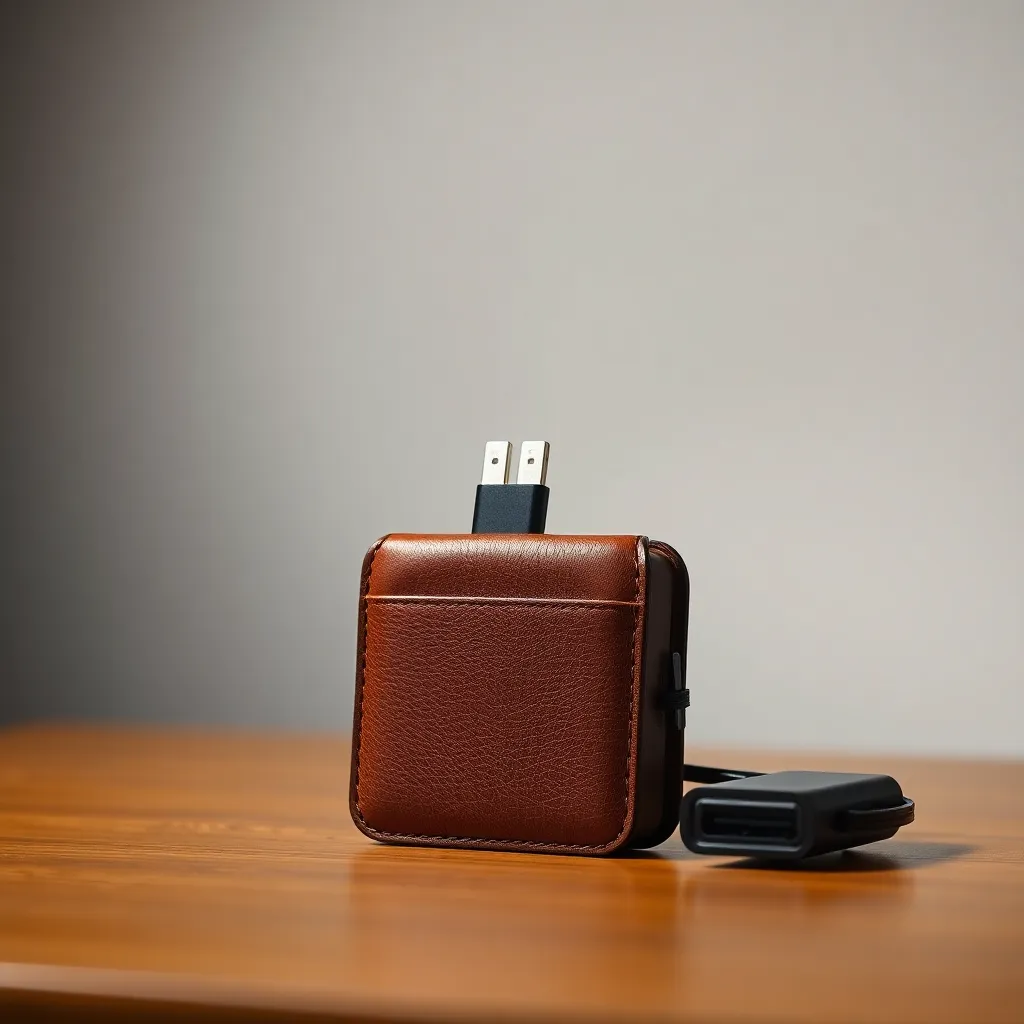
A cluttered workspace introduces cognitive friction. To maintain a serene environment, high-end leather cable organizers keep charging cords and diagnostic device wires neatly coiled. These small details ensure that when patients enter the consultation room, the atmosphere remains orderly, calm, and deeply reassuring.
Conclusion: Cultivating an Environment of Lasting Quality
Curating an executive office as a medical specialist is about more than mere decoration—it is about creating an environment that mirrors your professional standards of care, precision, and dedication. By incorporating an oral surgeon desk landing pad alongside complementary leather accessories, you establish a workspace that is both profoundly functional and aesthetically timeless. Embracing these artisan pieces ensures your daily environment remains a sanctuary of focus and understated luxury.
 UK
UK
William Thomas Ashworth
Master Leather CraftsmanWilliam Thomas Ashworth (48) is a veteran British leather specialist based in East Yorkshire, UK. With over two decades of experience in traditional leathercrafting and material selection, he oversees Leonadem’s heritage design and technical quality standards.