Introduction: The Evolution of Everyday Carry
The concept of Everyday Carry (EDC) has undergone a dramatic transformation over the past decade. What once began as a tactical subculture focused on maximum preparedness has matured into a refined discipline of intentional living. As we look toward the current year, the minimalist EDC setup 2025 is no longer just about carrying fewer items; it is about curating a deliberate collection of tools that balance utility, aesthetics, and personal well-being. Modern life demands agility, and shifting away from overburdened pockets allows us to move through the world with greater ease and unencumbered focus.
Carrying less does not mean sacrificing capability. Instead, it invites a deeper appreciation for craftsmanship and multi-functionality. When every object in your pocket serves a clear, daily purpose, your daily routine becomes streamlined. From digital convergence reducing the need for physical clutter to a renewed appreciation for tangible, long-lasting materials, this guide explores how to build a balanced, highly functional everyday carry system tailored to contemporary demands.

Core Concepts of a Minimalist EDC Setup 2025
To master a minimalist carry, one must understand the foundational pillars that separate a curated collection from a random assortment of pocket items. The first pillar is weight and footprint reduction. Every single gram matters when you are striving for genuine comfort. By evaluating the actual frequency of use for each item, you can easily eliminate redundancies. For instance, rather than carrying three separate cards for loyalty programs, digital apps have freed up physical space, allowing for a much slimmer capacity profile in your pocket gear.
The second pillar is material integrity. In an era dominated by disposable plastics and fast consumer goods, investing in items made from enduring materials like titanium, brass, and vegetable-tanned leather ensures your gear ages gracefully alongside you. This philosophy ties closely into the principles of slow fashion and conscious consumption, where longevity takes precedence over transient trends. When you choose items built to last, your carry gains character rather than simply wearing out.
- Audit your current pockets: remove anything unused for the past thirty days.
- Prioritize multi-functional tools over single-use gadgets to save precious pocket space.
- Choose a consistent color palette and material finish for a cohesive, intentional aesthetic.
- Consider ergonomic placement: distribute weight evenly between left and right pockets to protect your posture.

Essential Categories for Your Daily Carry
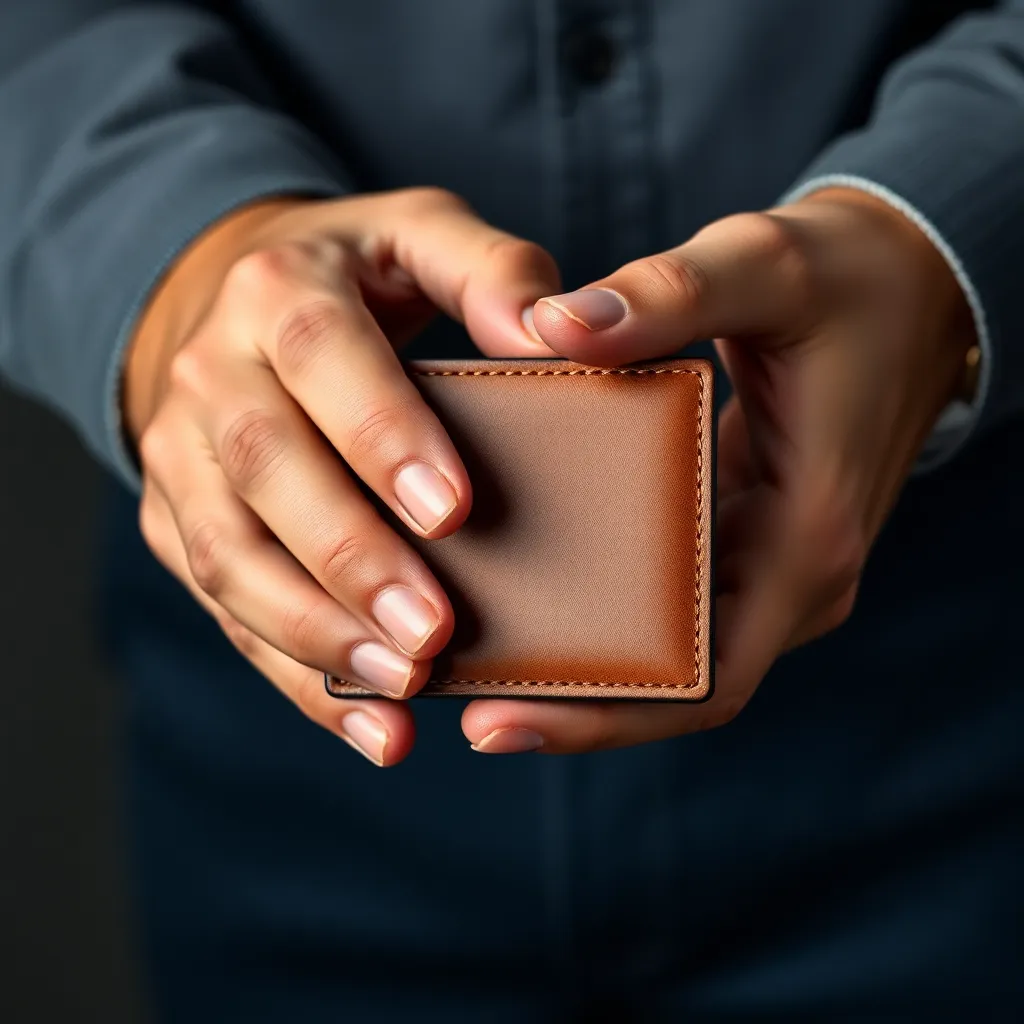
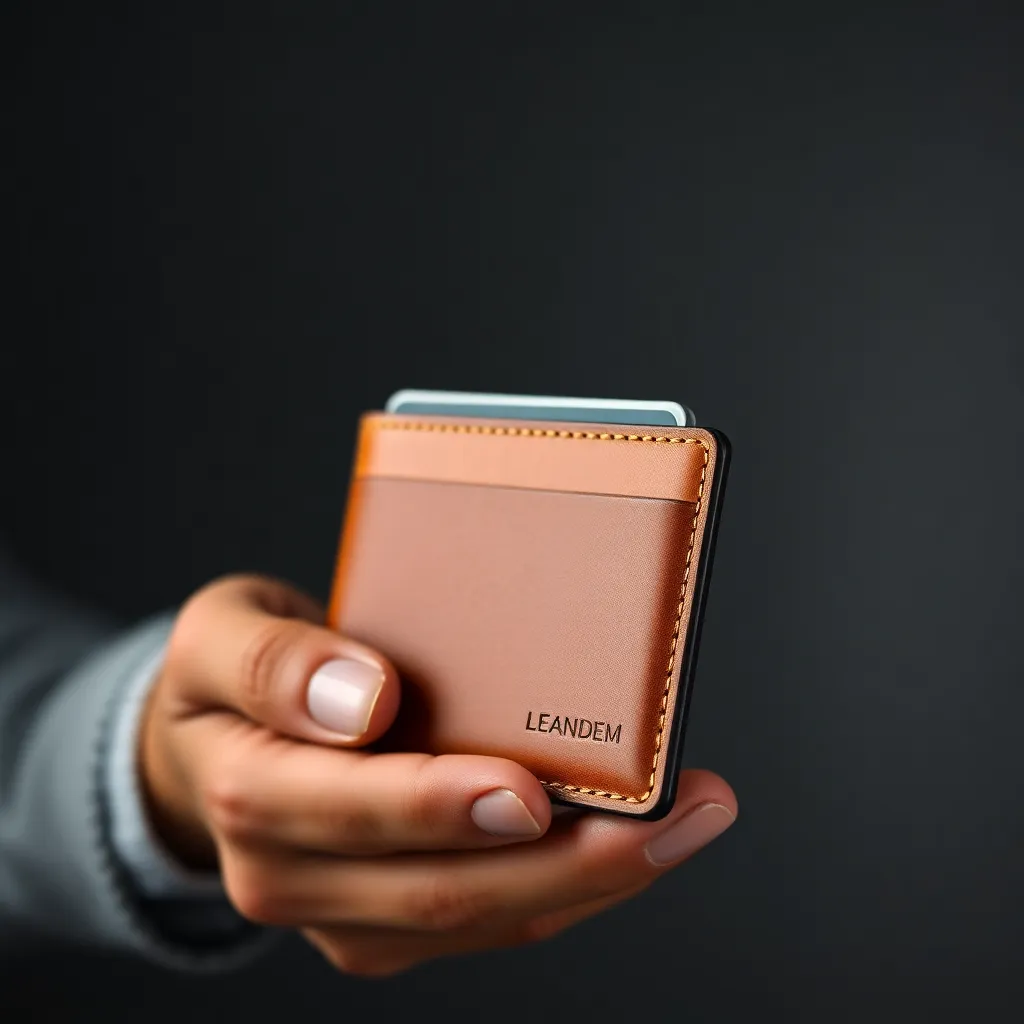
A well-rounded minimalist carry typically spans three primary categories: transaction, utility, and connectivity. By keeping your selections within these boundaries, you prevent pocket bloat while remaining prepared for minor everyday obstacles. Transaction essentials include your core payment methods and identification. Transitioning away from bulky traditional bifolds toward a streamlined cardholder or minimalist wallet is often the single most impactful change you can make.
Utility items should be compact yet robust. A small folding knife, a dependable pocket flashlight, or a precision-engineered pen covers unexpected cutting, illumination, and writing needs without weighing you down. When evaluating these tools, look for manufacturers that offer a transparent warranty, as this often reflects confidence in structural durability. For insights into how material quality affects long-term value, explore our guide on evaluating premium accessories.
Balancing Style and Utility in Modern Wardrobes
Your everyday carry does not exist in a vacuum; it interacts directly with your clothing and personal style. Bulky, overstuffed pockets ruin the drape of tailored trousers and disrupt the clean silhouettes of a modern wardrobe. By minimizing your carry, you protect your garments from premature stretching and wear. This seamless integration aligns with the broader principles discussed in building a timeless capsule wardrobe, where every element works in harmony.

Furthermore, maintaining your gear is just as important as selecting it. Natural materials require mindful upkeep to look their best over years of constant handling. Just as you would condition fine garments, maintaining your accessories ensures they develop a rich, personal patina. For comprehensive advice on preserving your tactile gear, consult our definitive artisan care guide.
Frequently Asked Questions
Here are some common inquiries regarding how to curate and maintain an efficient, minimalist everyday carry system for the year ahead.
- What makes an EDC setup truly 'minimalist'? A minimalist setup focuses strictly on items used on a weekly or daily basis, eliminating emergency redundancy in favor of lightweight, high-utility tools.
- How do I prevent my pockets from looking bulky? Opt for slim-profile accessories, distribute items evenly across different pockets, and regularly audit your carry to remove unnecessary loyalty cards or heavy change.
- Are luxury materials practical for daily use? Yes. High-grade materials like full-grain leather and titanium are specifically chosen for daily carry because they withstand friction and develop an attractive patina over time.
Conclusion: Refining Your Daily Ritual
Curating a minimalist EDC setup is ultimately an exercise in mindfulness. By consciously selecting each piece that accompanies you out the door, you eliminate friction from your daily routine and invest in items that stand the test of time. At Leonadem, we believe that true luxury lies in utility, quiet elegance, and uncompromised craftsmanship. As you refine your own daily carry, focus on quality over quantity, and enjoy the effortless freedom that comes with travelling light.
 UK
UK
William Thomas Ashworth
Master Leather CraftsmanWilliam Thomas Ashworth (48) is a veteran British leather specialist based in East Yorkshire, UK. With over two decades of experience in traditional leathercrafting and material selection, he oversees Leonadem’s heritage design and technical quality standards.