Introduction: The Hidden Language of Men's Hardware
When curating a refined outfit, the eye naturally gravitates toward the larger textile elements—tailored jackets, crisp shirts, and rich full-grain leather shoes. However, the true mark of a discerning dresser lies in the details. The small flashes of hardware scattered across your person—your wristwatch case, your wedding band, the clasp on your trousers, and your belt buckle—speak volumes before you even utter a word. Ignoring these metallic accents is like playing a symphony where half the orchestra is tuned to a different key.
At Leonadem, we believe that true elegance is intentional. When you invest in timeless pieces like a well-curated capsule wardrobe, every component must harmonize. Coordinating your metals is not about adhering to rigid, outdated Victorian rules; rather, it is about creating visual balance and a sense of effortless cohesion. Whether you are dressing for a high-stakes boardroom meeting or a casual weekend gathering, mastering the interplay of metals elevates your entire aesthetic from ordinary to exceptional.

The Core Concepts of Metal Coordination
Before breaking down specific accessories, it is essential to understand the basic categories of metals commonly found in men's style. Generally, metals are divided into cool tones (silver, stainless steel, white gold, platinum, and titanium) and warm tones (yellow gold, rose gold, and brass). Mixing these two distinct families indiscriminately can cause visual friction, making your outfit look hastily put together rather than thoughtfully assembled.
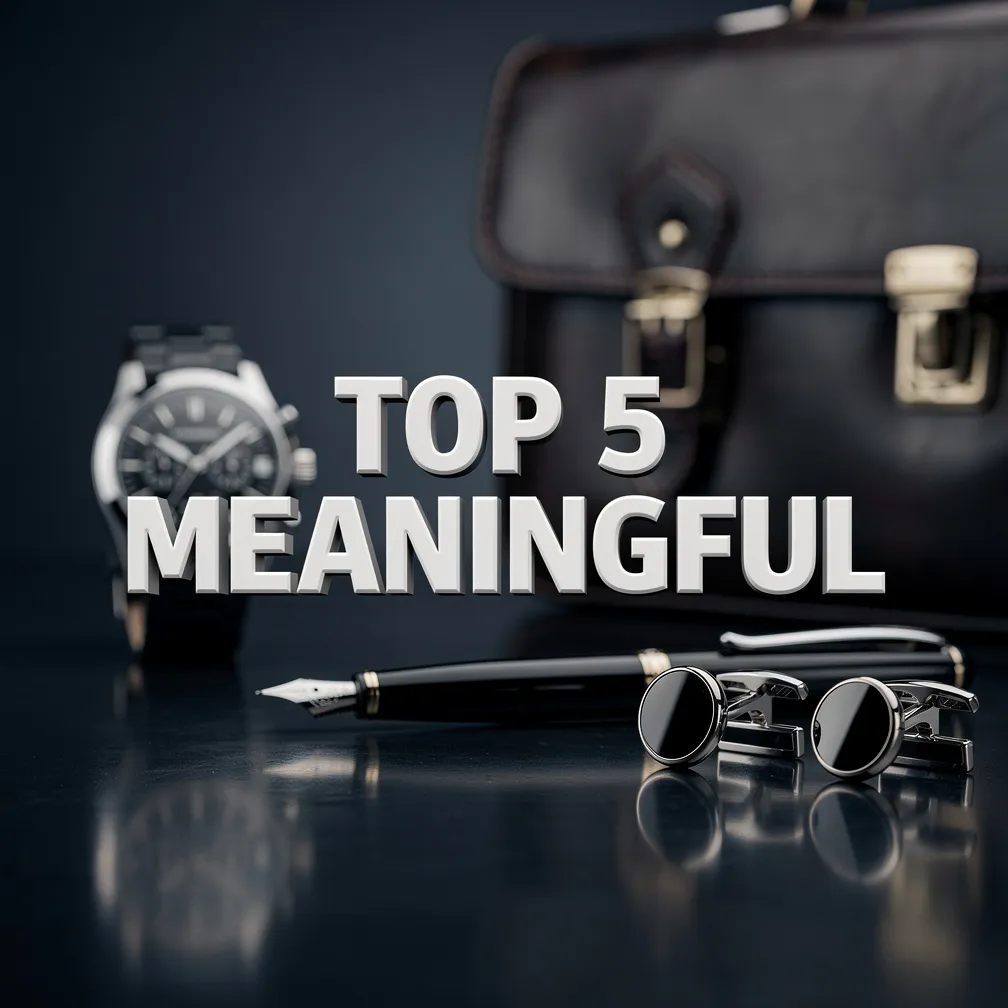
However, rules are meant to be understood before they are bent. The primary anchor of your metallic ensemble is almost always your wristwatch. Because a timepiece is often the largest and most prominent piece of hardware you wear, it serves as the sun around which your other accessories orbit. If your watch features a polished steel case, your wedding band, cuff links, and belt buckle should ideally echo that cool, luminous finish. When you build your wardrobe around sustainable fashion principles, investing in versatile hardware finishes ensures your accessories remain relevant across decades.
“Elegance is not standing out, but being remembered. Your accessories should whisper quality, not shout for attention.
Bridging the Gap: The Watch and Belt Buckle Dynamic
The relationship between your watch and your belt buckle is one of the most critical axes in menswear styling. Because these two items sit on opposite halves of your torso, they frame your entire silhouette. When they clash in finish or scale, the eye is jarred, interrupting the natural vertical flow of your outfit.

- Scale and Proportion: A massive, heavy-duty utility buckle demands a similarly robust watch case, such as a dive watch or a rugged chronograph.
- Finish Consistency: Match a high-polish silver buckle with a polished steel watch case, and a brushed or matte finish with a similar satin-textured timepiece.
- The Leather Exception: Remember that your belt strap color (black or brown) takes precedence over the buckle metal, provided the metal tone itself doesn't actively clash with your other accessories.
When selecting your leather belt, consider how the hardware attaches to the strap. A minimalist, low-profile buckle allows the beauty of the hide to shine through, whereas an ornate, branded plaque buckle makes the metal the focal point. For further inspiration on building a versatile collection of foundational items, explore our guide on mastering the men's capsule wardrobe.
Integrating Rings and Secondary Accessories
Rings present a unique styling challenge because they are worn on the hands, which are constantly in motion and drawing close-up attention. Your wedding band is usually a permanent fixture, which means it often dictates the baseline for all your other metallic choices. If you wear a traditional yellow gold wedding band, does that mean you are banished from wearing a stainless steel watch forever? Not necessarily.
The modern approach to mixed metals relies on intentionality rather than rigid conformity. Two-tone watches—those featuring both yellow gold and stainless steel elements—serve as the ultimate bridge accessory, effortlessly tying together disparate metals on your hands and wrists. Alternatively, embrace the deliberate contrast of wearing a silver watch on your left wrist alongside a gold signet ring on your right hand, provided the rest of your outfit maintains a balanced distribution of both tones.
Frequently Asked Questions
Navigating the nuances of hardware coordination can raise several everyday styling questions. Here are the answers to some of the most common dilemmas men face when matching their accessories.
- Can I wear a silver watch with a gold belt buckle? It is generally discouraged unless your outfit incorporates other mixed-metal elements (like a two-tone ring or cufflinks) to intentionally bridge the gap. Otherwise, it tends to look accidental rather than stylish.
- Does the hardware on my shoes matter? If your Chelsea boots or loafers feature metallic bits, zippers, or buckles, treat them as part of your metal ecosystem. Match shoe hardware to your belt buckle whenever possible.
- Is titanium considered a cool or warm metal? Titanium falls strictly into the cool-toned family, offering a darker, more industrial gray finish compared to bright stainless steel or sterling silver.
Conclusion: Cultivating Your Signature Look
Mastering the art of matching metals—from your wristwatch and rings to your belt buckle—is a subtle skill that yields massive dividends in your overall presentation. By treating your hardware as a cohesive system rather than an afterthought, you project confidence, attention to detail, and timeless style.
 UK
UK
William Thomas Ashworth
Master Leather CraftsmanWilliam Thomas Ashworth (48) is a veteran British leather specialist based in East Yorkshire, UK. With over two decades of experience in traditional leathercrafting and material selection, he oversees Leonadem’s heritage design and technical quality standards.