Introduction: The Quiet Revolution of Authentic Materiality
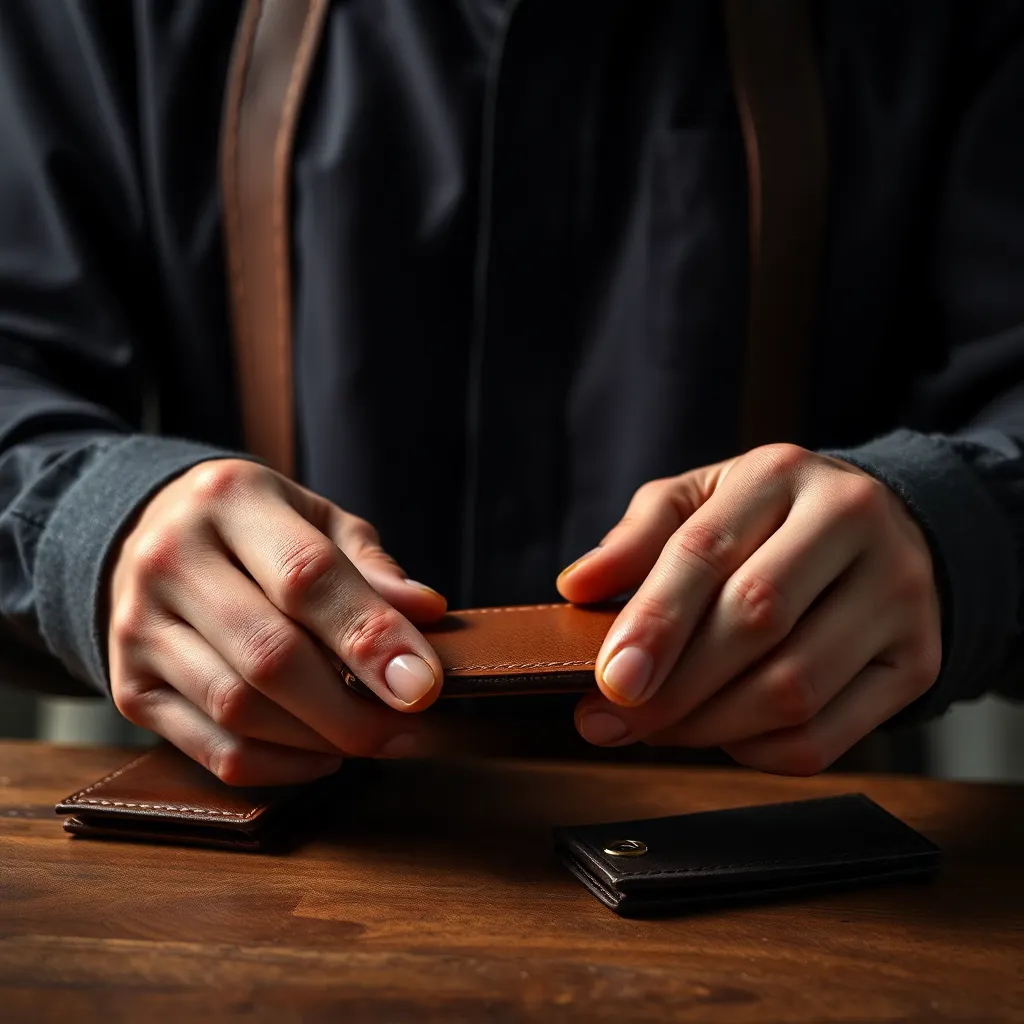
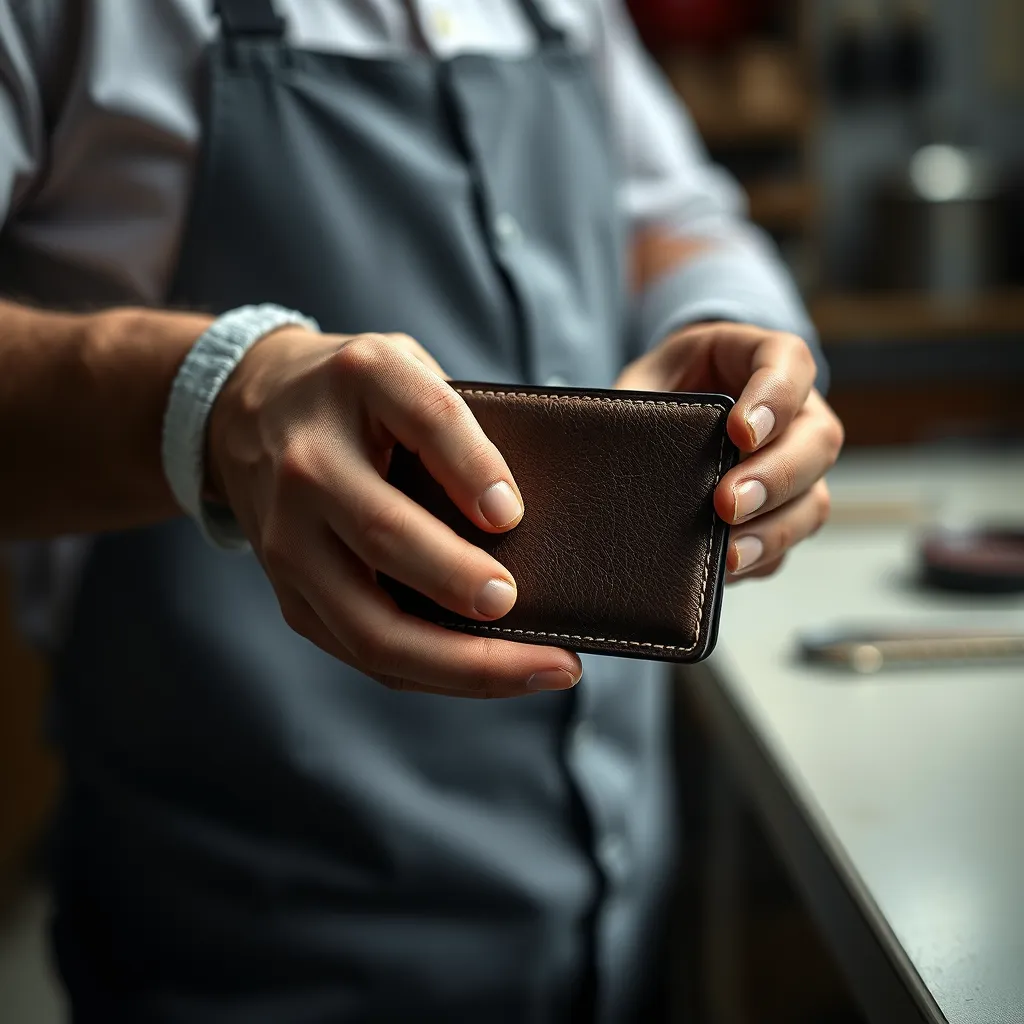
In a modern consumer landscape dominated by rapid trends and disposable manufacturing, a counter-movement is quietly taking root. Discerning individuals are returning to objects defined by permanence, honesty, and tactile depth. Central to this shift is a renewed appreciation for material integrity, where the Italian full grain leather choice philosophy serves as a guiding light for artisans and collectors alike. This philosophy is not merely about selecting a hide; it represents a deep commitment to preserving centuries of heritage, respecting the raw natural state of the material, and embracing a lifecycle where an object improves with time rather than degrading.
When we speak of true craftsmanship, we are discussing a dialogue between the maker and the medium. Mass-produced alternatives often rely on synthetic coatings, corrected surfaces, and heavily pigmented finishes that mask imperfections while stripping the material of its soul. In contrast, selecting premium hides requires patience, an educated eye, and an uncompromising dedication to quality. As more individuals embrace the principles of slow fashion, understanding the origins and characteristics of exceptional hides becomes essential for curating a thoughtful, long-lasting lifestyle.

To appreciate why master artisans insist on this specific tier of hide, one must examine the physical layers of the material. The epidermis—the very top layer of the hide—contains all the natural grain, unique markings, and fibrous density that make leather resilient. Full grain leather utilizes this outermost layer in its entirety, leaving the surface completely unbuffed and uncorrected. By refusing to sand away natural blemishes, tanners preserve the dense collagen fibers that provide exceptional strength, breathability, and structural integrity.
Other grades, such as top-grain or genuine leather, often undergo mechanical sanding to remove scars, insect bites, or branding marks, followed by an artificial grain stamp pressed into a polymer coating. While this creates a uniform appearance, it fundamentally compromises the material's breathability and weakens its structural backbone. Choosing the untouched hide means accepting the subtle, authentic signatures of nature—a testament to the animal's life and a guarantee that no two pieces are ever identical.
“True luxury does not hide its origins behind plastic coatings; it wears its history proudly on the surface, evolving its character with every passing year.
The Italian Heritage: Tanning Traditions and Vegetable Craft
Italy holds a legendary status in the world of leathercraft, anchored by historic tanning districts in regions like Tuscany. This reputation is not built on marketing, but on centuries of accumulated wisdom passed down through generations of master tanners. The defining pillar of this tradition is vegetable tanning—a slow, artisanal process that utilizes natural tannins derived from tree barks, leaves, and fruits rather than harsh synthetic chemicals.
This traditional method can take anywhere from thirty to sixty days, requiring immense patience and precise environmental control. The natural tannins interact with the dense collagen fibers of the hide, resulting in a material that is rich in aroma, deep in color, and remarkably responsive to environmental oils and sunlight. Over time, vegetable-tanned hides develop a coveted rich patina, darkening and softening in response to the owner's touch, creating an intimate, personalized connection between user and object.

Adopting this philosophical approach to material selection involves several core tenets that guide both creation and acquisition. It challenges the throwaway culture by emphasizing longevity, ethical accountability, and aesthetic honesty. When building a collection of daily essentials or curating a timeless capsule wardrobe, these principles help distinguish genuine heirloom pieces from fleeting fashion statements.
- Aesthetic Honesty: Celebrating natural grain variations, healed scars, and tonal depth instead of demanding artificial uniformity.
- Chronological Evolution: Valuing materials that look better with age, acquiring a unique patina that reflects the owner's journey.
- Ethical Sustainability: Partnering with tanneries that repurpose food industry byproducts and utilize eco-friendly, biodegradable tanning agents.
- Structural Integrity: Prioritizing dense fiber structures that ensure decades of daily use without degrading or losing form.
Comparing Material Grades: Why Details Matter
To truly understand the value proposition of premium hides, it helps to compare the primary grades found in the global market. Each tier serves a different commercial purpose, but only one fulfills the strict criteria of generational longevity and artisanal integrity.
- Surface Treatment
- Untouched, natural surface
- Patina Development
- Exceptional, deep patina
- Lifespan
- Decades (Heirloom quality)
- Surface Treatment
- Sanded and artificial grain stamped
- Patina Development
- Minimal to none
- Lifespan
- 3 to 7 years
- Surface Treatment
- Split hide with heavy coating
- Patina Development
- Peels or cracks over time
- Lifespan
- 1 to 3 years
The Environmental and Ethical Dimension
A responsible philosophy of material selection must address environmental impact and ethical sourcing. True Italian vegetable tanning is fundamentally a circular process. The raw hides used are strictly byproducts of the food meat industry, ensuring that no animal is raised solely for its skin. Furthermore, reputable tanneries operate under stringent European environmental regulations that mandate wastewater purification, heavy metal-free processing, and energy efficiency.
Choosing an item crafted from sustainably tanned hide supports a centuries-old ecosystem of skilled artisans and family-run tanneries rather than polluting industrial complexes. By investing in an object designed to last a lifetime, consumers actively reduce landfill waste and step off the exhausting treadmill of fast fashion consumption. For those exploring minimalist everyday carry setups, selecting durable, sustainably produced accessories is a powerful way to align daily habits with personal values.

What makes Italian full grain leather different from other leathers?
Conclusion: Choosing Permanence in a Temporary World
The Italian full grain leather choice philosophy is ultimately an invitation to slow down and reevaluate our relationship with the material world. By prioritizing uncorrected surfaces, ethical vegetable tanning, and enduring craftsmanship, we reclaim the value of objects that tell a story. At Leonadem, this dedication to authentic materiality inspires every curation, honoring a heritage where true elegance is measured not by perfection, but by character, resilience, and the beauty of time well spent.
 UK
UK
William Thomas Ashworth
Master Leather CraftsmanWilliam Thomas Ashworth (48) is a veteran British leather specialist based in East Yorkshire, UK. With over two decades of experience in traditional leathercrafting and material selection, he oversees Leonadem’s heritage design and technical quality standards.