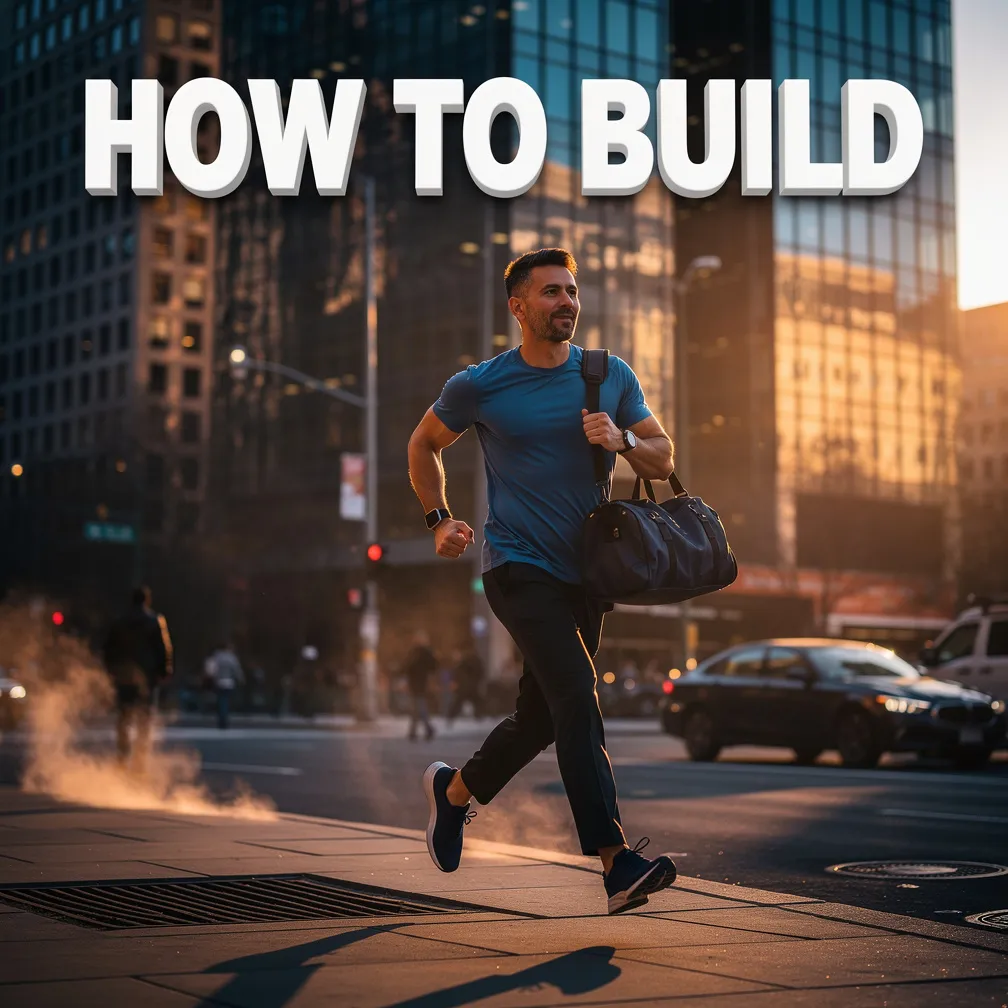
Introduction: The Physics of High-Stakes Closing
In the arena of enterprise sales, a Vice President does not merely sell a product; they manage a complex web of organizational psychology, stakeholder politics, and emotional momentum. Closing a seven-figure contract requires an extraordinary expenditure of cognitive and physical force. When executives talk about closing energy, they are rarely referring to superficial enthusiasm or aggressive persistence. Instead, they mean a calibrated, sustained state of presence that commands authority in a boardroom.
The most effective revenue leaders understand that fatigue is the silent killer of enterprise deals. When an executive operating under chronic burnout enters a late-stage negotiation, decision-makers sense hesitation. Developing rigorous physical and mental routines is not a luxury for high-performing VPs—it is the core engine of their professional survival. From managing daily cortisol spikes to preserving vocal resonance during hour-long stakeholder defenses, your physiological state dictates your commercial leverage.

Core Concepts: Decoding Enterprise Closing Energy
To understand why certain sales leaders effortlessly steer hesitant committees toward a signed agreement while others flounder, we must examine the core components of professional closing energy. It begins with emotional regulation, the ability to remain completely detached from the immediate outcome of a call while maintaining absolute investment in the strategic process. When you stop chasing the signature, the psychological dynamic shifts immediately in your favor.
Another fundamental pillar is time-blocking discipline. Elite VPs do not allow low-leverage operational friction to drain their cognitive reserves before a major pitch. They guard their peak mental hours fiercely, recognizing that complex objection handling demands pristine neurological function. Whether they are coordinating with legal teams or refining their personal professional presentation style, every variable is controlled to project calm competence.
Daily Habits of Elite Revenue Leaders
Sustained high performance is built on the quiet, unglamorous micro-habits executed consistently over years. Enterprise sales VPs who consistently hit quota tend to share specific routines that insulate them against burnout and keep their closing instincts sharp.
- Pre-call physiological anchoring: Taking ten minutes of silent breathwork prior to a board presentation to lower heart rate and eliminate vocal tremors.
- Ruthless calendar defense: Protecting morning blocks entirely for pipeline strategy and refusing reactive internal meetings.
- Post-mortem debriefs: Immediately logging behavioral observations and stakeholder micro-expressions after every major closing attempt while memory is pristine.
- Physical separation rituals: Utilizing a distinct physical transition—such as a brisk evening walk—to detach executive responsibilities from personal life.

“Energy is currency in the enterprise boardroom. If you arrive depleted, your prospective clients will instinctively discount the value of your solution.
Managing Cognitive Load During Multi-Month Cycles
Enterprise sales cycles often span six to eighteen months. Maintaining high closing energy across such extended horizons requires managing cognitive load effectively. When deals stall, impatient reps often force premature conversations that alienate procurement officers. In contrast, high-performing VPs view patience as an active tactical weapon. They invest time in understanding the subtle shifts in corporate governance that might eventually unlock the budget, maintaining long-term patience while remaining hyper-responsive to sudden buying signals.
Furthermore, curating your physical environment plays a surprisingly vital role in sustaining daily stamina. When your workspace, accessories, and daily tools reflect intentionality and craftsmanship—much like investing in timeless everyday accessories—your subconscious mind registers a baseline of order and stability. This ambient confidence reduces micro-stresses that accumulate over long workweeks.
- Amateur Approach
- Reactive to every email and stakeholder pushback
- Enterprise VP Approach
- Proactive pacing with strict cognitive boundaries
- Amateur Approach
- Defensive justification of product features
- Enterprise VP Approach
- Curious inquiry into underlying structural risk
- Amateur Approach
- Aggressive push for signatures at quarter-end
- Enterprise VP Approach
- Systematic alignment with client internal milestones

Frequently Asked Questions
How do top VPs recover their energy after losing a major enterprise deal?
Elite leaders accept that high-value sales involve variables outside their direct control. They conduct an objective autopsy of the loss within 24 hours, extract the strategic lesson, and immediately redirect their focus toward expanding the broader pipeline rather than dwelling on a single lost opportunity.
Can closing energy be developed if someone is naturally introverted?
Absolutely. Enterprise closing does not require extroverted theatricality; it requires deep listening, authoritative composure, and precise articulation of value. Introverts often excel in high-stakes environments because their natural inclination toward reflection helps them decode complex power dynamics.
What is the biggest energy drain for modern sales leaders?
Context-switching is universally recognized as the primary energy sink. Bouncing between internal HR issues, CRM hygiene, and high-stakes executive calls depletes cognitive stamina far faster than deep, focused deal strategy.
Conclusion: Cultivating Sustainable Commercial Mastery
Mastering enterprise sales closing energy is ultimately an exercise in self-mastery. By treating your physical vitality, emotional regulation, and attention span as finite, high-value assets, you transform how you show up for your team and your prospective clients. When your energy is grounded, deliberate, and immune to short-term panic, closing complex deals ceases to be an exhausting battle—it becomes the natural culmination of a well-executed strategy.
At Leonadem, we appreciate that true excellence in any professional discipline stems from the same philosophy: rigorous attention to detail, uncompromising standards, and respect for the craft. Whether you are refining your daily leadership routines or curating your professional tools, deliberate intention is the hallmark of enduring success.
 UK
UK
William Thomas Ashworth
Master Leather CraftsmanWilliam Thomas Ashworth (48) is a veteran British leather specialist based in East Yorkshire, UK. With over two decades of experience in traditional leathercrafting and material selection, he oversees Leonadem’s heritage design and technical quality standards.