Introduction: Elevating Executive Travel
For the modern chief executive, time is the ultimate non-renewable asset. When your schedule demands constant movement between London and New York, the hours spent at 35,000 feet cannot simply be written off as travel time. They represent an uninterrupted window of absolute focus—provided you know how to engineer your environment properly. Transforming your aircraft seat into a fully functioning portable boardroom setup requires meticulous planning, an understanding of cabin ergonomics, and a curated selection of essentials that rival your corner office. Whether you are reviewing confidential M&A documents or preparing for an upcoming board presentation, mastering this airborne workspace ensures you arrive at your destination ready to lead.

Beyond simple productivity, treating your flight like an extension of your physical office helps mitigate the cognitive fatigue associated with long-haul travel. By establishing a rigid workflow routine, securing reliable offline access, and investing in tools designed for longevity—much like how one appreciates the enduring value of slow fashion accessories—you create a sanctuary of calm amidst the ambient noise of the cabin. Let us examine the essential components required to build the ultimate airborne executive hub.
1. Ergonomic Seating and Posture Support
Physical comfort is the foundation of mental clarity. Airplane seats, even in business class, are rarely designed with prolonged typing ergonomics in mind. To prevent lower back strain and maintain an authoritative posture during virtual syncs, always pack a lumbar support cushion or a rolled cashmere travel wrap. Adjust your seat height so your feet rest flat, and position your screen to eye level to avoid neck strain. Maintaining physical wellbeing during a ten-hour journey is the first rule of executive resilience.

2. High-Performance Noise Cancellation
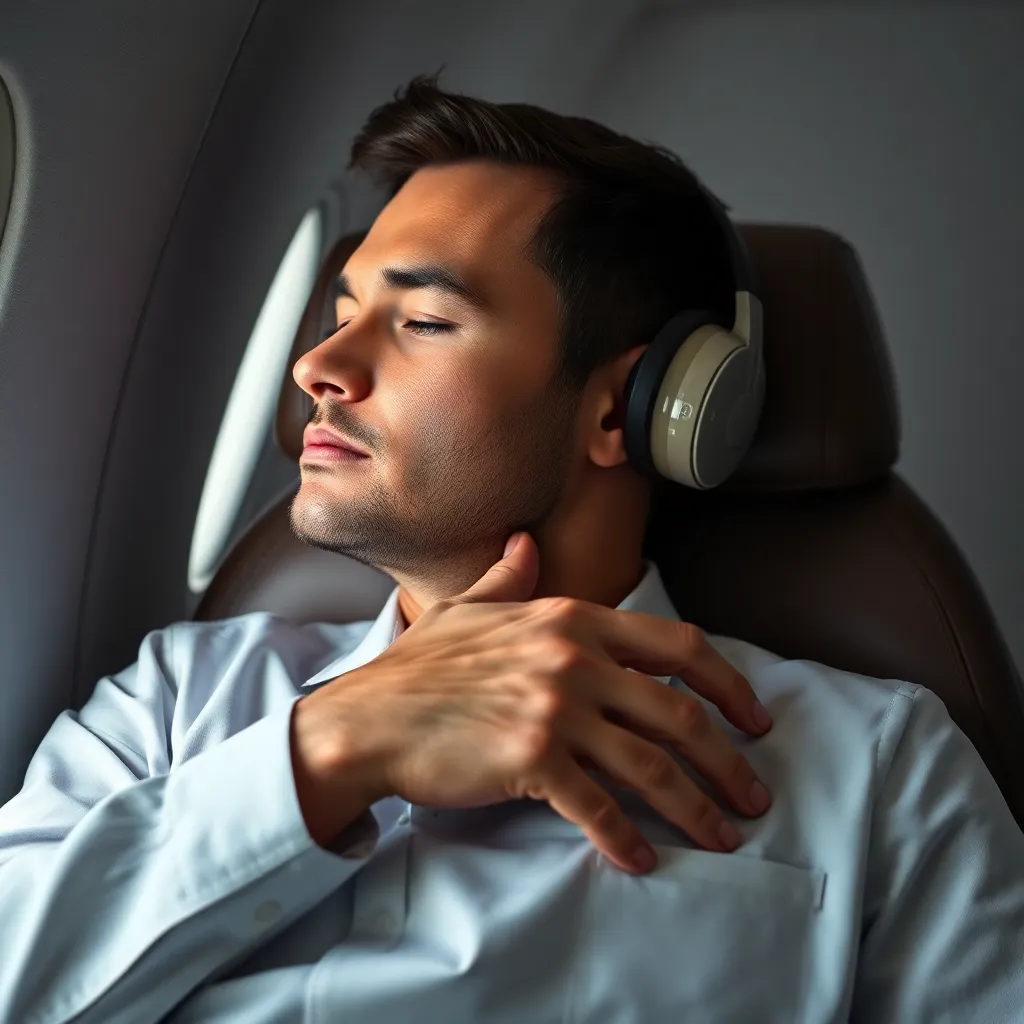
A true boardroom demands acoustic control. The persistent drone of jet engines and cabin chatter can severely fracture deep work. Equipping yourself with over-ear active noise-cancelling headphones is non-negotiable. Pair these with curated instrumental soundscapes or white noise to signal to your brain that it is time for deep execution. When taking secure calls, a dedicated boom microphone ensures your directives are transmitted with absolute clarity, free from background turbulence.

3. Optimized Digital Ecosystem and Power Management
You can have the finest strategy in place, but an unexpected low battery can stall your entire operation. Your portable boardroom must be entirely self-sufficient. Pack a high-capacity power bank capable of charging both your laptop and tablet multiple times, alongside a multi-region wall adapter. Furthermore, pre-download all critical financial spreadsheets, slide decks, and contracts so you are never entirely dependent on erratic inflight Wi-Fi connections.

4. Secure Document Organization and Analog Essentials
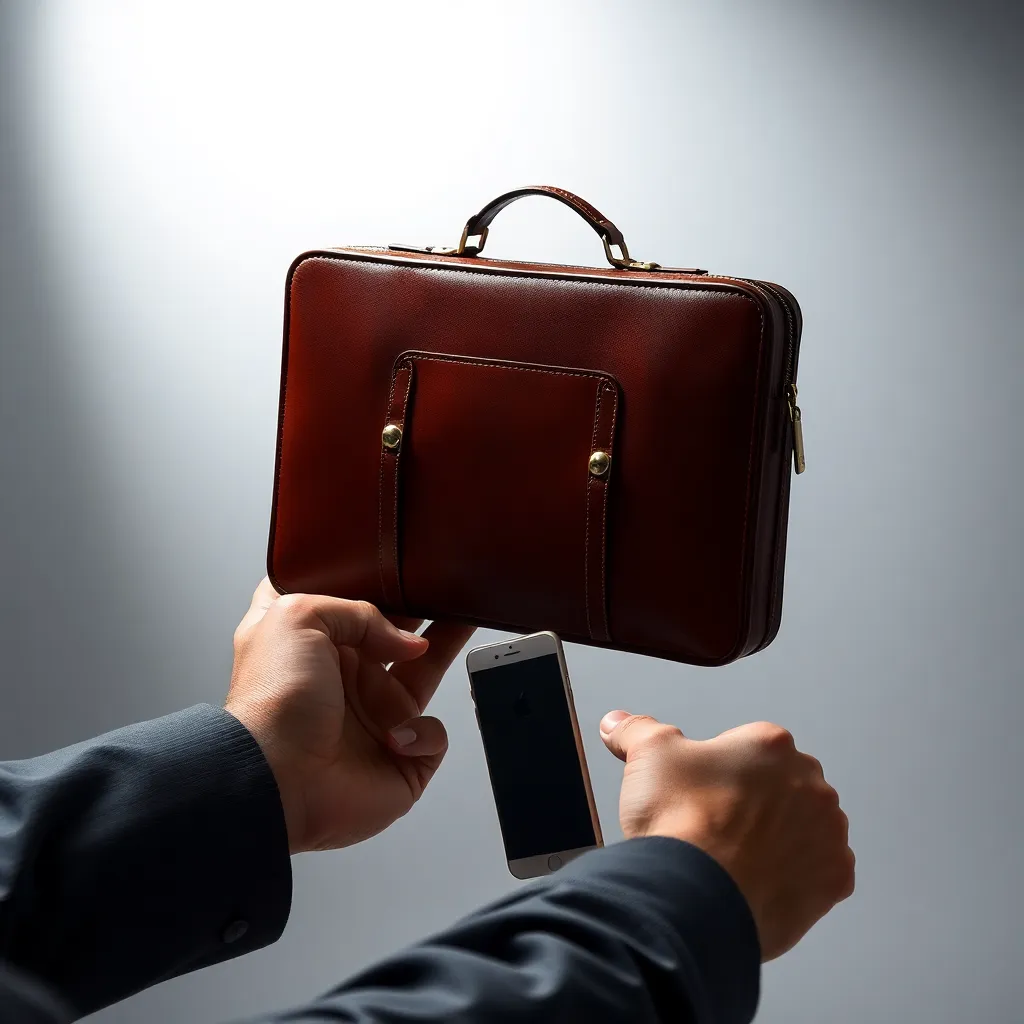
Despite the digital shift, high-stakes negotiations often benefit from physical review. Carrying confidential hard copies requires a secure, elegant containment system. Utilize a full-grain leather document folio to keep sensitive prospectuses pristine and easily accessible. A dedicated space for your passport, boarding passes, and a balanced executive pen ensures you transition through airport security and customs with effortless grace, setting a calm tone before you even board.

5. Strategic Hydration and Wellness Protocol
Cabin air is notoriously desiccating, which directly impairs cognitive function and decision-making capabilities. A professional portable boardroom setup should include a wellness protocol. Carry a lightweight, insulated metal water bottle—filled only after clearing security—and consume electrolytes regularly. Incorporating simple eye drops and a moisturizing balm ensures you step off the aircraft looking as sharp as when you boarded, ready to command the room.

Summary of Portable Boardroom Essentials
To help you audit your carry-on checklist before your next long-haul journey, refer to the quick reference guide below detailing the core elements of an effective airborne workspace.
- Primary Purpose
- Eliminate cabin noise for deep focus
- Recommended Specification
- Over-ear active noise-cancelling with boom mic
- Primary Purpose
- Ensure device uptime across time zones
- Recommended Specification
- High-capacity 20,000+ mAh PD power bank
- Primary Purpose
- Protect physical contracts and briefs
- Recommended Specification
- Structured full-grain leather folio
- Primary Purpose
- Prevent fatigue and back strain
- Recommended Specification
- Packable lumbar cushion or cashmere wrap
Conclusion: Landing with Intent
A transatlantic flight does not need to be a period of lost productivity or exhaustion. By approaching your cabin space with the same intentional design as your permanent office, you reclaim hours of valuable executive bandwidth. Equip yourself with reliable tools, prioritize your physical wellbeing, and treat your travel accessories as investments in your professional narrative. When you integrate these elements seamlessly, the journey becomes an advantage rather than an obstacle.
 UK
UK
William Thomas Ashworth
Master Leather CraftsmanWilliam Thomas Ashworth (48) is a veteran British leather specialist based in East Yorkshire, UK. With over two decades of experience in traditional leathercrafting and material selection, he oversees Leonadem’s heritage design and technical quality standards.