Introduction
In the high-pressure environment of corporate law, efficiency is not merely a preference—it is a professional necessity. Every minute counts when managing multi-jurisdictional M&A transactions, preparing deposition binders, or rushing to court. Yet, while digital calendars and encrypted messaging apps are meticulously optimized, the physical items a lawyer carries into the office often remain an afterthought. This is where the concept of a curated everyday carry (EDC) comes into play, anchored by the quintessential biglaw attorney pocket dump organizer.
A thoughtful pocket organization system transforms chaotic clutter into a streamlined arsenal. Whether transitioning from a sleek boardroom to an early morning flight or simply navigating the endless corridors of a glass-tower skyscraper, having a designated home for your keys, proprietary access cards, and writing instruments prevents frantic searches. Beyond mere utility, organizing your daily carry reflects the same precision and attention to detail that clients expect from your legal briefs.

Core Concepts: Decoding the Biglaw EDC Philosophy
The daily routine of a corporate litigator or transactional partner involves a unique intersection of analog and digital tools. Unlike casual everyday carry enthusiasts who might prioritize heavy-duty multitools or tactical gear, the legal professional requires items that project understated authority and slip effortlessly into tailored bespoke suiting without ruining the fabric's dimensions and silhouette.
When designing an effective pocket organization setup, the goal is reduction and intentionality. Every single item must justify its presence in your pockets. If an object is not used at least once every forty-eight hours, it belongs in your office credenza or briefcase. This minimalist ethos ensures that your physical load remains remarkably light, even during grueling eighteen-hour workdays.
Anatomy of the Ultimate Legal Pocket Dump
What exactly goes into a meticulously curated legal pocket organizer? While personal preferences vary, most successful senior associates and partners rely on a consistent set of items designed to conquer the daily administrative hurdles of legal practice.
- Access Cards and Credentials: High-security building passes, transit cards, and primary payment methods securely housed in a slim profile.
- Writing Instruments: A balanced, high-flow rollerball or fountain pen for signing settlement agreements or marking up hard-copy drafts in red ink.
- Business Cards: A pristine stack of heavy-stock contact cards protected from bent corners and humidity.
- Miscellaneous Utilities: Compact house keys, a sleek USB drive containing encrypted case files, or emergency medication.

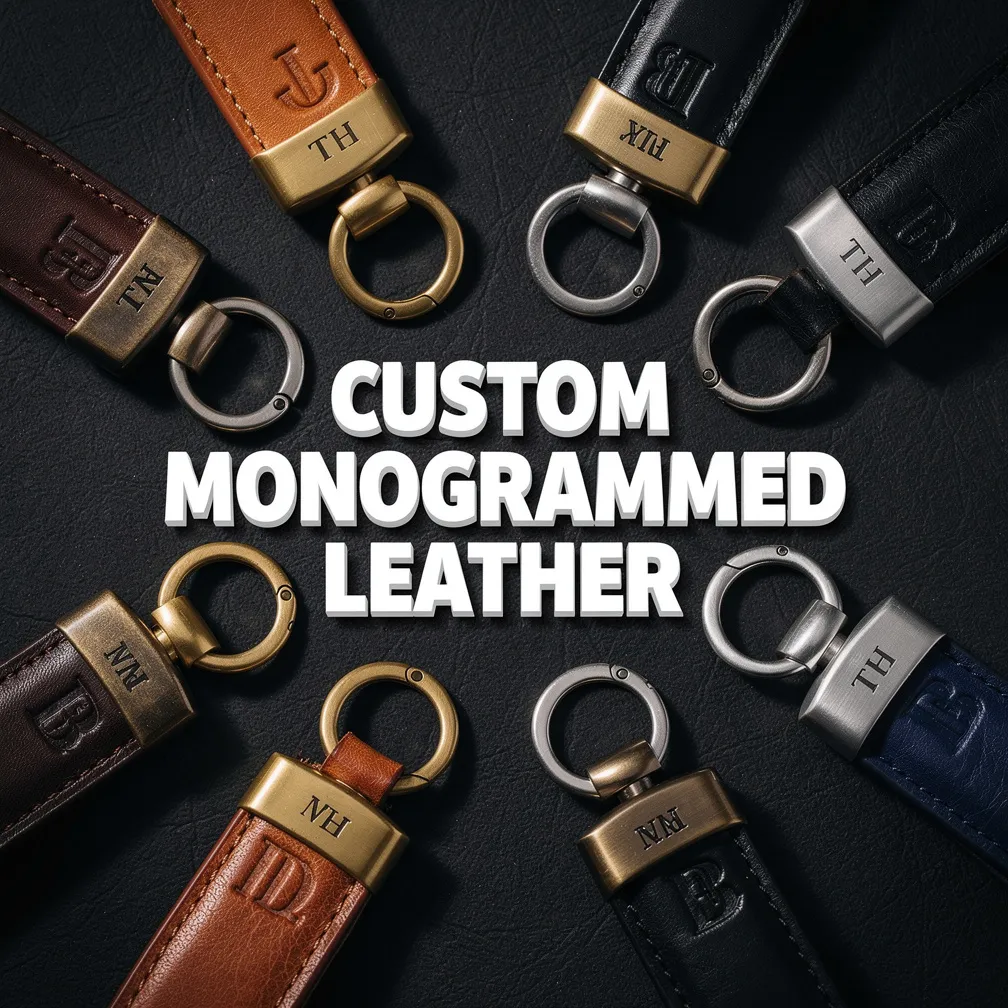
The materials housing these items matter immensely. A plastic or flimsy fabric organizer undermines the professional image cultivated over years of law school and firm partnerships. Opting for time-tested materials like full-grain leather introduces a tactile warmth and longevity that ages gracefully alongside your career milestones, much like investing in a timeless capsule wardrobe of tailored suits.
Balancing Form and Function in High-Stakes Environments
In traditional legal settings, optics matter. Walking into a conference room with a pocket bulging with loose change, bulky keychains, and stray receipts communicates disorganization. A dedicated pocket organizer or desk caddy solves this friction by establishing a ritual: emptying your pockets into a designated valet tray upon arrival at your desk, and reorganizing before stepping out for a court appearance.
This physical compartmentalization also protects your garments. Tailored wool trousers and silk suit linings are notoriously fragile. Sharp metal keys or jagged badges left loose in pockets create friction points that rapidly degrade expensive tailoring. A protective organizer acts as a barrier, safeguarding both your personal items and your investment in professional attire.
- Unorganized Pocket Carry
- High friction, fabric wear over time
- Organized Valet & EDC System
- Protected linings, zero pocket sagging
- Unorganized Pocket Carry
- Slow, frustrating search for cards/pens
- Organized Valet & EDC System
- Immediate, muscle-memory access
- Unorganized Pocket Carry
- Cluttered bulges, unpolished look
- Organized Valet & EDC System
- Streamlined, deliberate executive presentation
Frequently Asked Questions
Navigating the nuances of everyday carry for demanding legal professionals often raises a few practical questions. Here are expert insights into optimizing your daily setup.
- Should I carry my organizer in my pocket or keep it on my desk? Most attorneys use a pocket-sized organizer or sleeve for transit, transitioning items to a desktop valet tray once seated at their primary workstation.
- How do I prevent leather organizers from staining? Regular maintenance using neutral leather balms preserves the finish against natural oils from hands and daily friction.
- Is it better to carry a pocket organizer or a minimalist cardholder? It depends on your daily requirements. If you frequently need pens and security tokens alongside cards, a multi-pocket folio organizer is superior.
“Simplicity is the ultimate sophistication. When your tools are organized, your mind is free to focus entirely on complex legal arguments.
Conclusion
Ultimately, curating a dependable pocket organization system is about respecting your time and your craft. By streamlining what you carry, you eliminate micro-distractions that drain your mental energy throughout the billable day. Whether you are drafting closing arguments or reviewing partnership agreements, having your essential tools neatly secured allows you to operate with absolute confidence, poise, and unwavering professional grace.
 UK
UK
William Thomas Ashworth
Master Leather CraftsmanWilliam Thomas Ashworth (48) is a veteran British leather specialist based in East Yorkshire, UK. With over two decades of experience in traditional leathercrafting and material selection, he oversees Leonadem’s heritage design and technical quality standards.