Quick Answer: The best wallet for a traveler is a minimalist front-pocket leather wallet featuring built-in RFID-blocking technology. By keeping the wallet in the front pocket, travelers drastically reduce the risk of pickpocketing, while the RFID lining secures physical credit cards from wireless skimming in crowded international transit hubs.
The Vulnerabilities of Travel
Traveling in 2026—whether navigating the chaotic streets of Rome, the dense subways of Tokyo, or bustling international airport terminals—requires a high degree of situational awareness. Tourists are the primary targets for opportunistic theft.
For decades, the classic travel advice was to wear a bulky, uncomfortable money belt under your shirt. Fortunately, modern Everyday Carry (EDC) wallet design has rendered the money belt obsolete. A properly designed travel wallet offers security through geometry and material science, allowing you to travel safely without sacrificing style.
The Three Pillars of a Travel Wallet
To survive and thrive on the road, a travel wallet must be built around three non-negotiable features:
1. Front-Pocket Geometry (Physical Security)
The absolute worst place to carry your wallet while traveling is in your back pocket or a loose backpack compartment. A skilled pickpocket can bump into you on a crowded train and extract a back-pocket bifold in seconds.
A travel wallet must be ultra-slim so it can be comfortably carried in your front trouser pocket. The front pocket is in your direct line of sight and within the natural resting space of your hands, making it virtually impossible for a thief to access undetected.
2. RFID Blocking (Digital Security)
While physical pickpocketing is a threat, digital skimming is an invisible danger. Criminals use concealed wireless scanners in crowded tourist hotspots to read the radio frequencies emitted by tap-to-pay credit cards. A premium travel wallet must contain an integrated, microscopic metallic mesh lining that acts as a Faraday cage, blocking these signals and protecting your identity and finances.
3. Rugged Full-Grain Leather (Environmental Durability)
Travel subjects your gear to extreme conditions—sweat, unexpected rain, and constant friction from being pulled out at checkpoints. Cheap "genuine leather" will peel and tear under these conditions. A travel wallet must be constructed from dense full-grain leather, which naturally repels moisture and withstands intense physical abrasion while developing a beautiful patina of your travels.
Top Recommendations for Travelers
At Leonadem, we build wallets designed to explore the world securely.
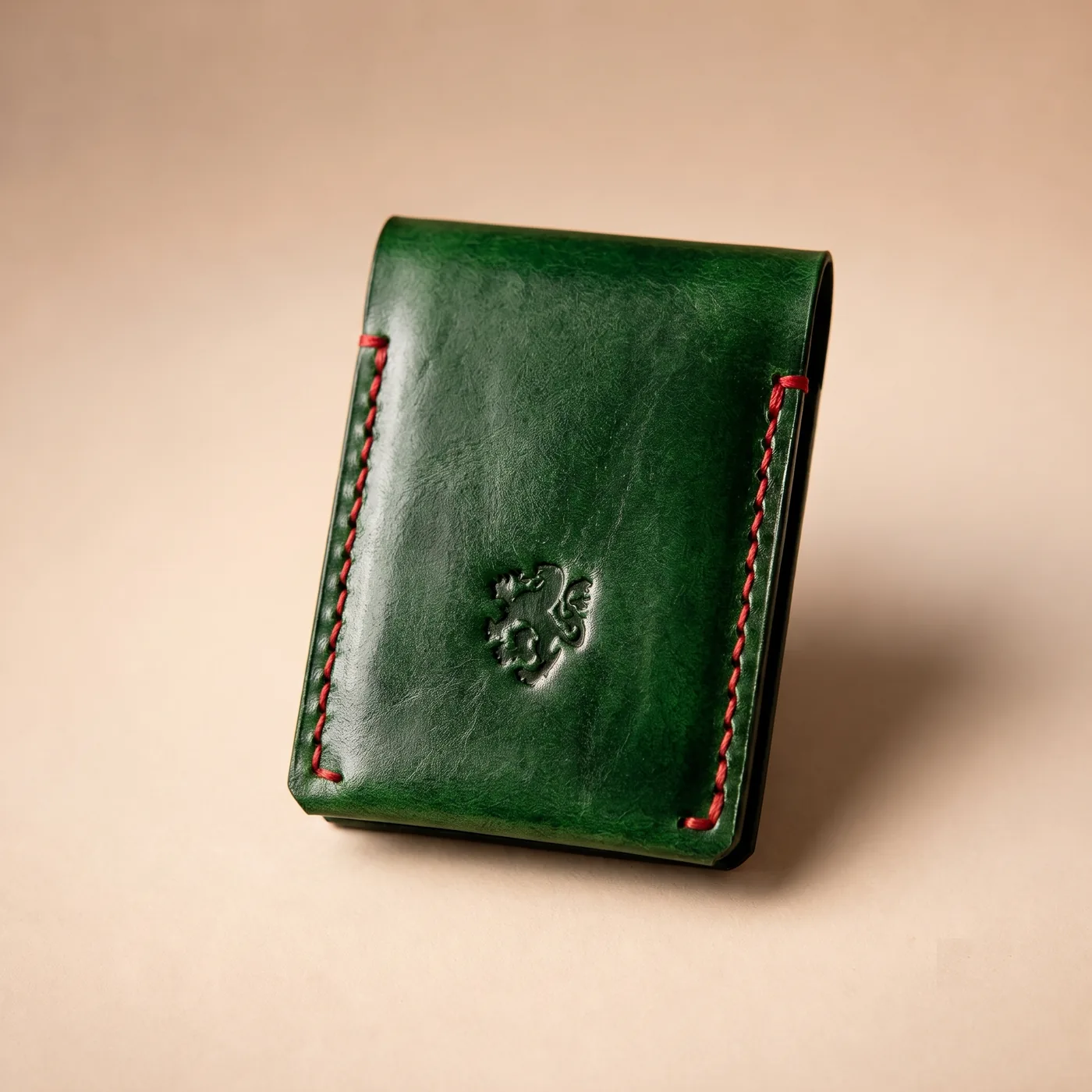
Slim RFID Leather Wallet for Men
Shop NowThe ultimate travel companion. It offers a razor-thin profile perfect for the front pocket, wrapped in premium full-grain leather, and features comprehensive RFID-blocking technology to keep your data safe globally.
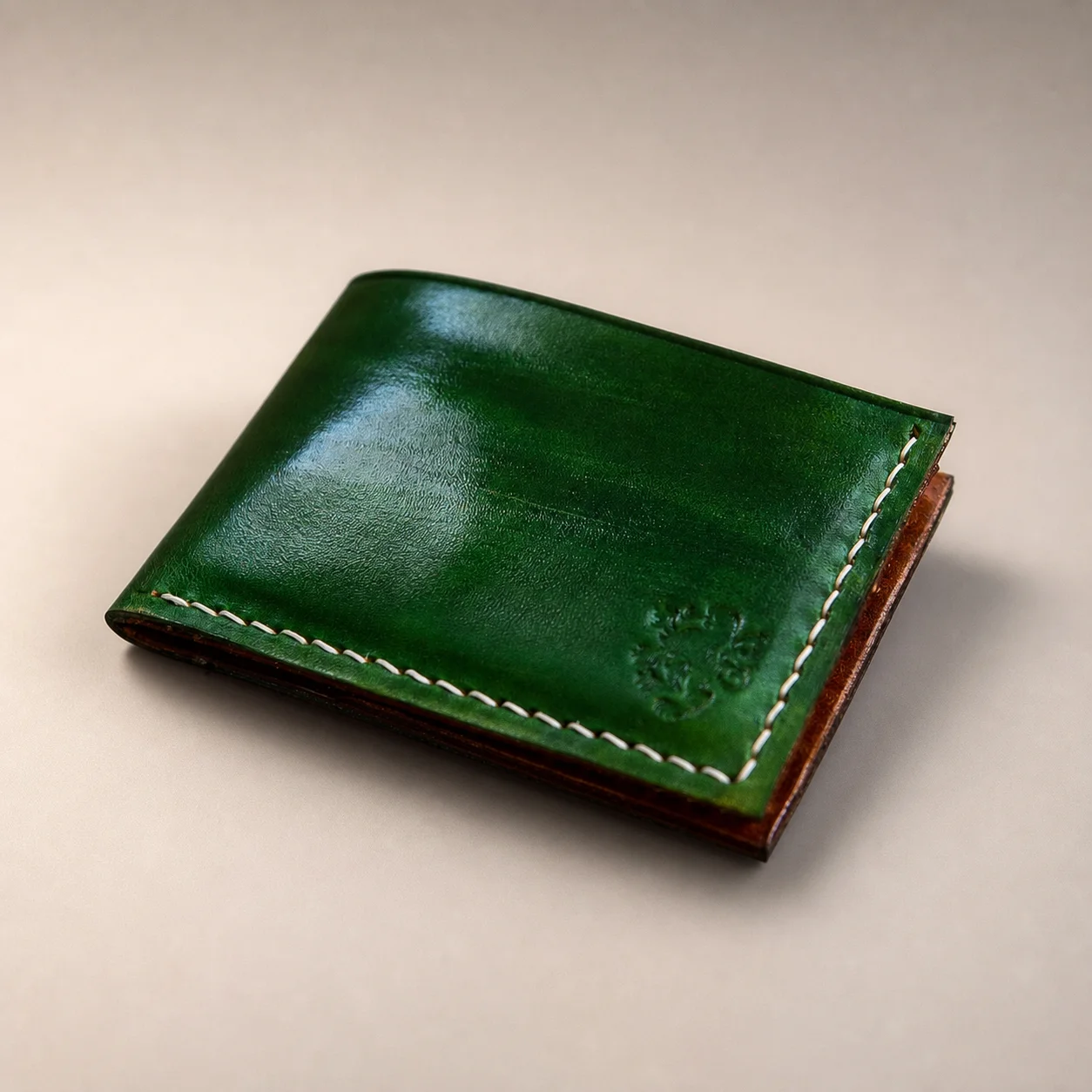
Everyday Front Pocket Wallet for Men
Shop NowFor the minimalist traveler who needs quick access to transit cards and a folded emergency $100 bill, this front-pocket wallet is a highly secure, comfortable option for long-haul flights.
FAQ
Do I need a travel document organizer or a travel wallet?
It is best to separate them. Keep your passport and boarding passes in a dedicated document organizer securely zipped in your carry-on or hotel safe. Carry only your daily essentials (ID, primary credit card, and emergency cash) in a slim front-pocket wallet on your person to minimize risk.
Does RFID blocking work internationally?
Yes, RFID (Radio Frequency Identification) blocking technology is universal. It works by creating a physical barrier that interrupts electromagnetic fields, meaning it will protect your cards from wireless scanners regardless of what country you are in.