Quick Answer: The ultimate wallet for a frequent flyer is a front-pocket leather cardholder equipped with RFID-blocking technology. It must be highly accessible for presenting IDs at TSA checkpoints, exceptionally slim to remain comfortable during long-haul 12-hour flights, and free of heavy external metal clips that trigger airport security scanners.
Streamlining the Airport Experience
For the business professional or digital nomad who spends half the year at 35,000 feet, the airport is a gauntlet of friction. Boarding passes, lounge access cards, biometric IDs, and security checkpoints all require constant wallet retrieval.
In 2026, traveling with a disorganized, overstuffed traditional bifold wallet causes delays and massive frustration. The frequent flyer demands a wallet that acts as an efficient logistical tool, ensuring they can move from the curb to the first-class lounge without breaking stride.
Critical Features of a Flight-Ready Wallet
To survive the modern aviation ecosystem, a frequent flyer's wallet must possess three specific attributes:
1. TSA-Friendly Accessibility
At airport security, you need to present your ID instantly. Fumbling with zippers or digging through a stack of identical plastic cards is unacceptable. The ideal flight wallet features a quick-access external thumb slot. This allows the traveler to slide their driver's license or passport card out with one hand while managing their carry-on luggage with the other.
2. Long-Haul Comfort (Front Pocket Only)
Sitting in an airplane seat for a transatlantic flight is grueling enough without an asymmetrical block of leather digging into your lower back. A frequent flyer must use a front-pocket wallet. A slim leather cardholder rests flat against the thigh, completely eliminating the sciatic nerve pressure caused by sitting on a back-pocket bifold.
3. Global Digital Security (RFID Blocking)
International transit hubs are prime hunting grounds for digital thieves. Armed with concealed scanners, criminals can brush past you in a crowded terminal and silently skim your tap-to-pay credit card data. A flight-ready wallet must have an integrated, invisible layer of RFID-blocking mesh to secure your financial identity across borders.
Avoiding Tactical Metal Wallets at Airports
While carbon fiber and aluminum tactical wallets are popular in the EDC community, they are highly problematic for frequent flyers. Solid metal blocks will immediately trigger millimeter-wave scanners and metal detectors at TSA checkpoints, requiring you to unpack your pockets. A premium full-grain leather wallet (even one with an ultra-thin internal RFID fabric) passes through security smoothly and offers a much softer, more comfortable carry in transit.
Top Recommendations for Frequent Flyers
At Leonadem, we design our wallets for seamless global mobility.
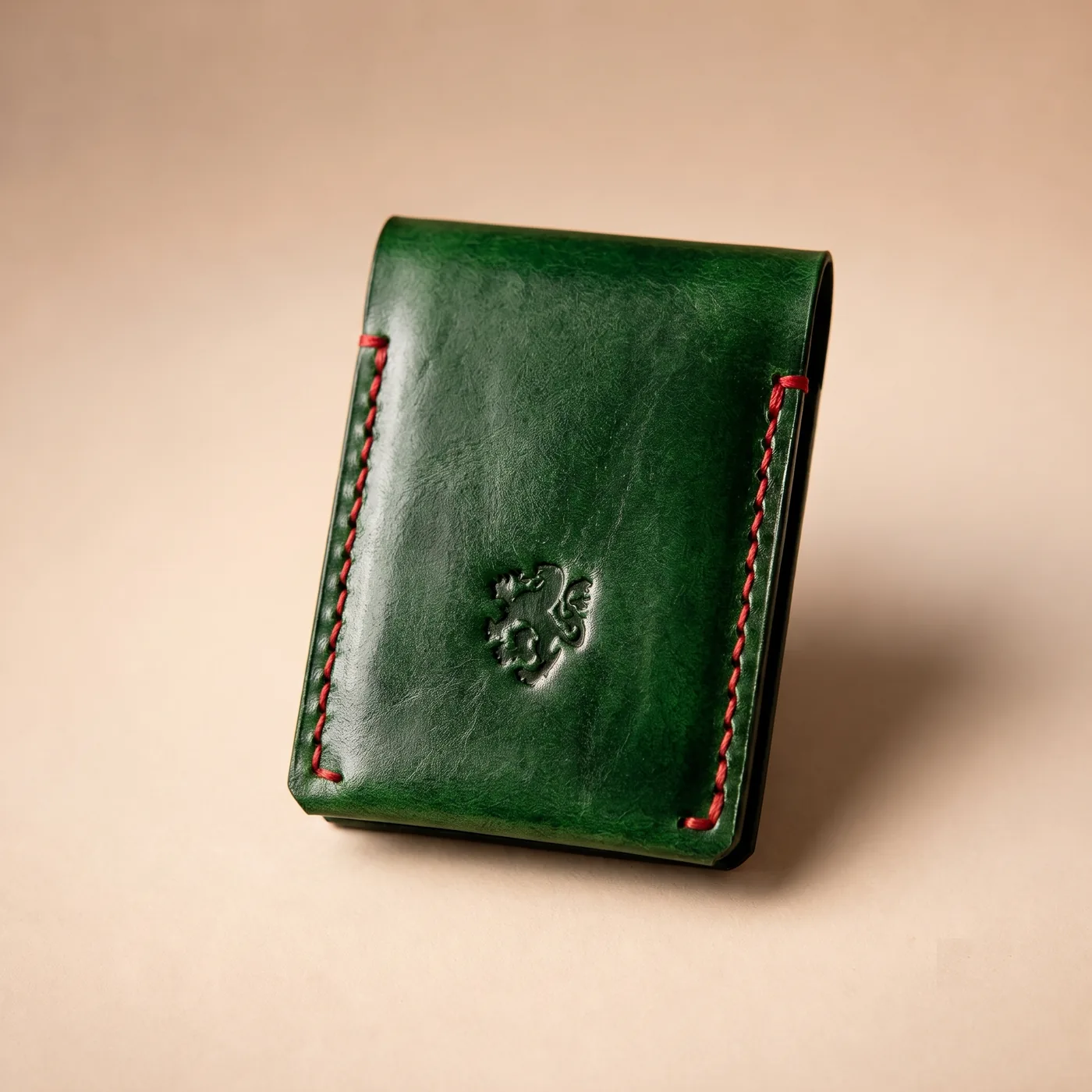
Slim RFID Leather Wallet for Men
Shop NowThe absolute pinnacle of travel design. It is incredibly slim for long-haul comfort, soft enough to pass TSA scrutiny without issue, and heavily fortified with RFID-blocking technology.
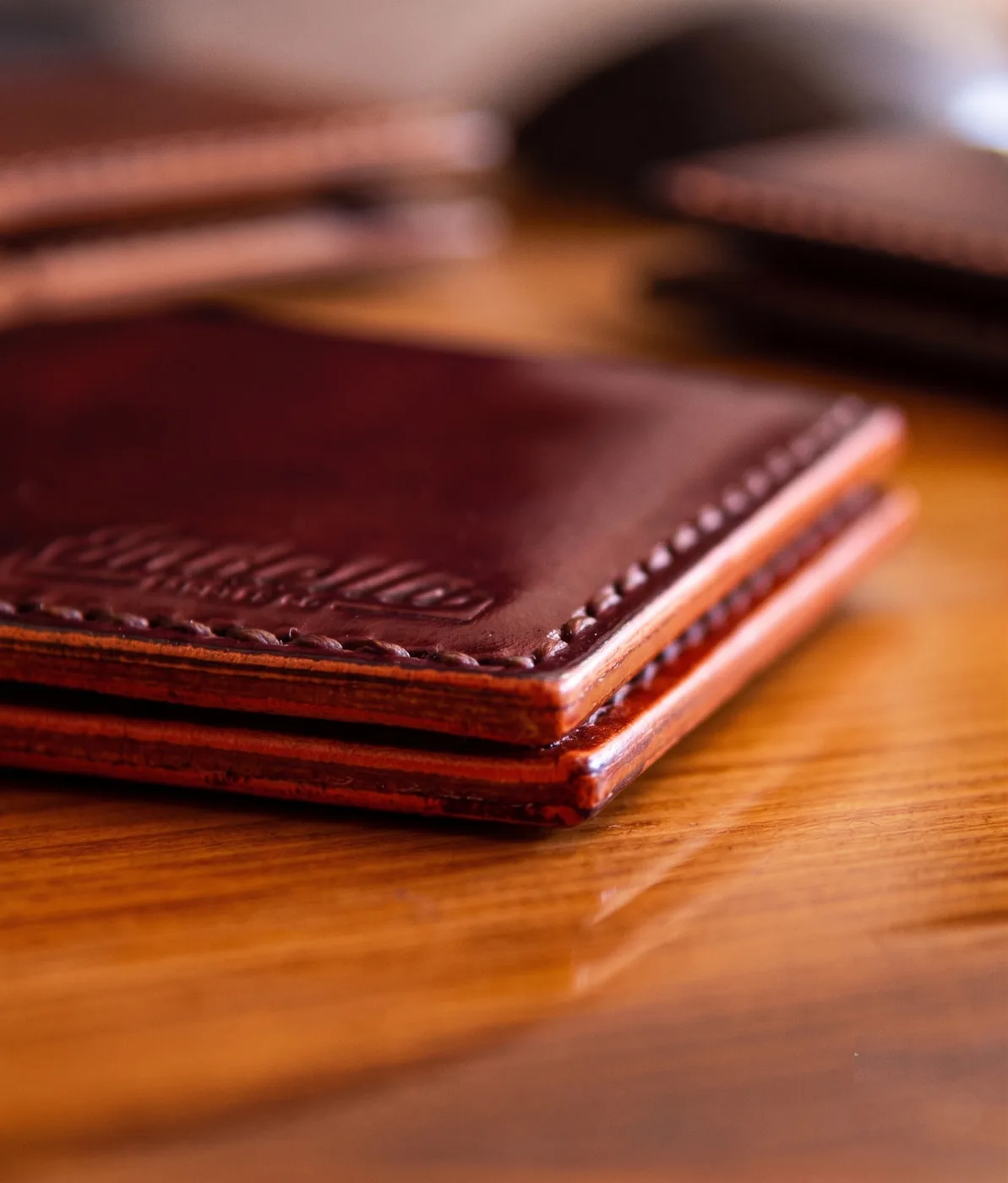
Personalized Slim Leather Wallet for Men
Shop NowAn ultra-minimalist approach for the domestic traveler who relies entirely on digital boarding passes and needs rapid access to a single physical ID.
FAQ
Do metal wallets set off airport security?
Yes, solid metal wallets (like those made of aluminum or thick titanium) will reliably trigger airport metal detectors and millimeter-wave scanners, forcing you to empty your pockets. A leather wallet with a thin internal RFID-blocking fabric is significantly more TSA-friendly.
Where is the safest place to carry a wallet at the airport?
The safest place to carry a wallet in a crowded airport is in your front trouser pocket. Back pockets are highly vulnerable to pickpockets in dense security lines or while boarding crowded trains and escalators.